Donald Trump: Threatens India with Tariffs but Buys Diesel from Russia Himself! ‘America First’ Defence Draws Criticism
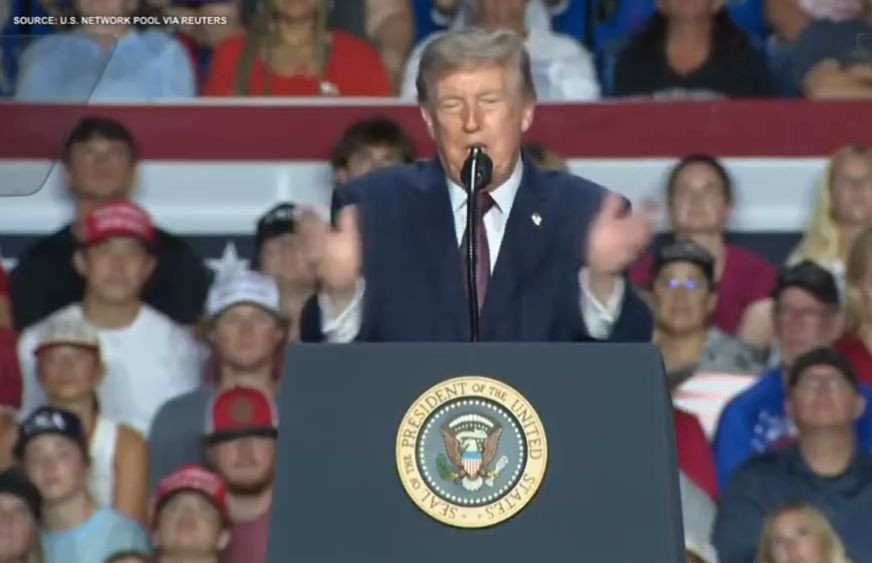
IIE DIGITAL DESK ; Washington, October 14: US President Donald Trump is facing fresh criticism over his administration’s stance on Russian energy purchases after defending a reported fuel arrangement involving Moscow, even as Washington threatens countries such as India with steep tariffs for buying Russian oil. The apparent contradiction has reignited questions about the consistency of the Trump administration’s energy and trade policies, particularly as proposals for tariffs of up to 100 per cent on countries continuing to purchase Russian energy have fuelled international debate.
While the United States has criticised countries, including India and China, over their energy trade with Russia, Trump has defended his own decisions as being in the interests of the American people. His position has intensified the debate over whether Washington is applying the same standards to its own energy requirements as it expects other countries to follow.
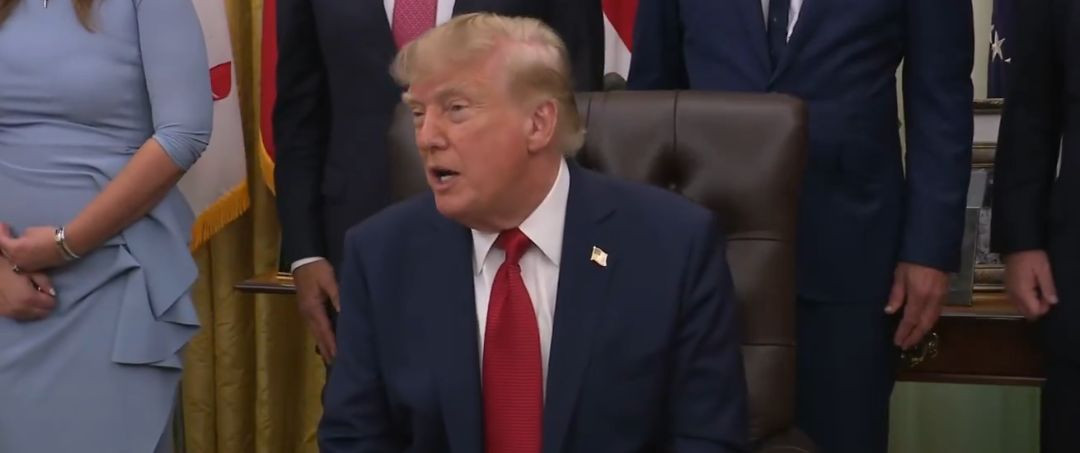
Taking to his social media platform, Truth Social, Trump accused sections of the media of hypocrisy and attacked what he described as “fake news”. He alleged that the media had ignored the European Union’s past energy purchases from Russia while criticising his administration’s decisions. In his post, Trump claimed that the European Union had paid Russia $250 billion for energy, arguing that the issue had not received adequate attention from the media.
Defending his approach, the US President insisted that he had made the right decision on behalf of the American people. He reiterated his familiar political slogan, “America First”, presenting his energy policy as an attempt to prioritise US interests rather than bow to external criticism.
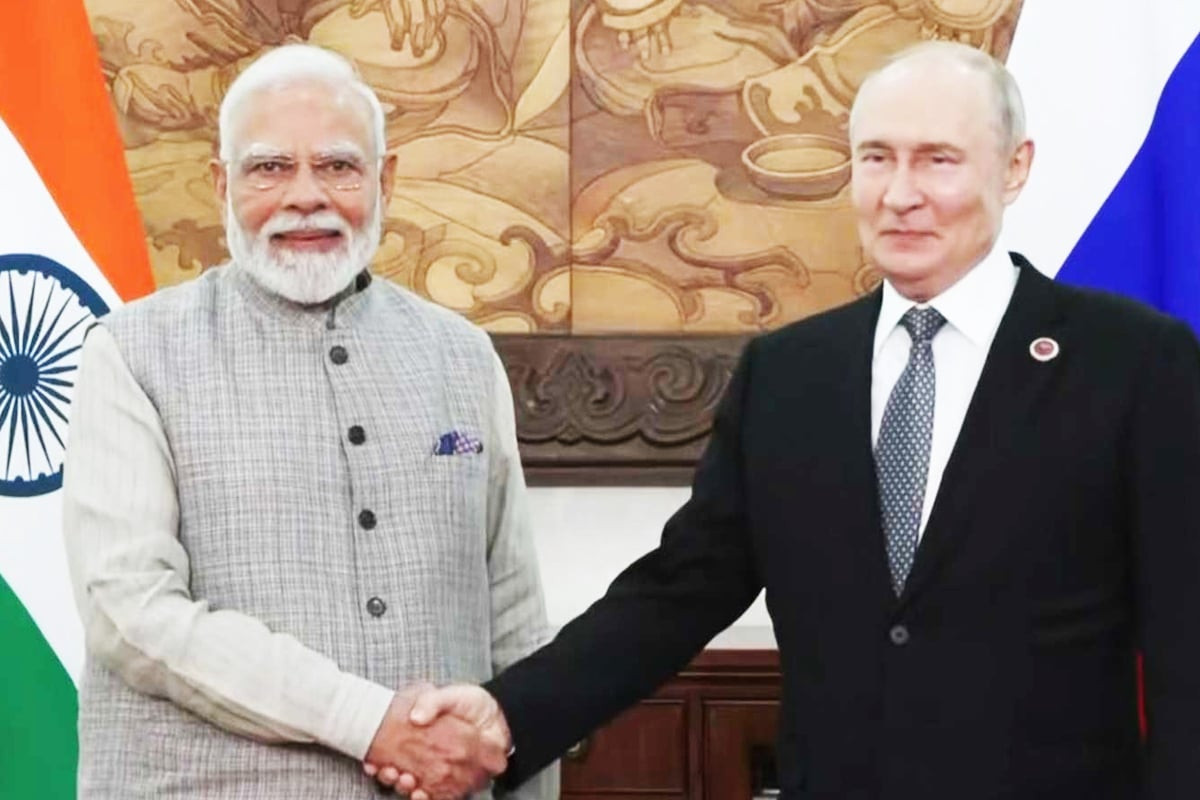
Trump’s remarks have drawn attention because of the contrast between his defence of energy arrangements involving Russia and Washington’s pressure on other countries to reduce their reliance on Russian fuel. India, in particular, has faced the prospect of punitive tariffs linked to its purchases of Russian energy. Critics argue that such a policy raises questions about fairness and consistency when the United States itself considers energy supplies from the same country.
According to the details cited in the report, Trump said on Friday that Russia would supply more than 300,000 metric tonnes of diesel to the United States and the wider global market. Moscow was also said to have promised a further 500,000 metric tonnes in November, followed by another one million metric tonnes at a later stage. The reported supply arrangements have brought renewed focus to the role of Russian fuel in global markets at a time when energy prices and the cost of living remain politically sensitive issues.
The timing is particularly significant for the Trump administration. The United States is approaching its November midterm elections, while rising energy prices and increasing living costs have become concerns for sections of the American public. Higher fuel expenses can place additional pressure on household budgets, making energy affordability an important issue for voters.
Against this backdrop, political observers believe that securing additional fuel supplies could be an attempt to ease pressure on the domestic market and address public concerns over living costs. However, the precise impact of the reported arrangement on US fuel prices remains uncertain, and the announcement alone does not establish whether the additional supplies will translate into lower costs for consumers.
The reported deal has also triggered opposition within Trump's own Republican Party. Six US senators, including four Republicans, have reportedly urged the administration to withdraw from the arrangement immediately. Their objection centres on Russia’s ongoing war against Ukraine and allegations of attacks on Ukrainian civilians. They argue that the United States should not take decisions that could provide financial support to Russian President Vladimir Putin while the conflict continues.
The criticism highlights the political divisions surrounding Washington’s approach to Moscow. For some lawmakers, reducing Russia’s financial resources remains an important part of supporting Ukraine. From that perspective, energy transactions involving Russia risk undermining the broader objective of applying economic pressure on Moscow.
The same time, the Trump administration’s position reflects the competing demands of foreign policy and domestic economic concerns. Securing affordable energy supplies can be presented as a matter of national interest, but it can also invite criticism when the government threatens other countries with tariffs over similar purchases.
For India and other major energy-importing countries, the controversy raises wider questions about international trade, energy security and the use of tariffs as a diplomatic instrument. Countries often balance geopolitical considerations against the need to obtain reliable and affordable fuel supplies. Washington’s approach to Russian energy therefore remains an important issue for both international relations and global markets.
Trump’s “America First” defence may appeal to supporters who believe that US energy needs should take priority. However, critics are questioning whether the same principle is being applied consistently when other countries make decisions based on their own economic and energy requirements.
The midterm elections approaching and debate continuing over Russia’s war in Ukraine, the reported diesel arrangement is likely to remain a politically sensitive issue. The central question is whether the Trump administration can reconcile its pressure on other countries over Russian energy purchases with its own decisions on fuel supplies while maintaining a consistent foreign policy position.
You might also like!