North Korea Rejects G-7 Pressure, Says There Will Be No Change in Its Nuclear Programme
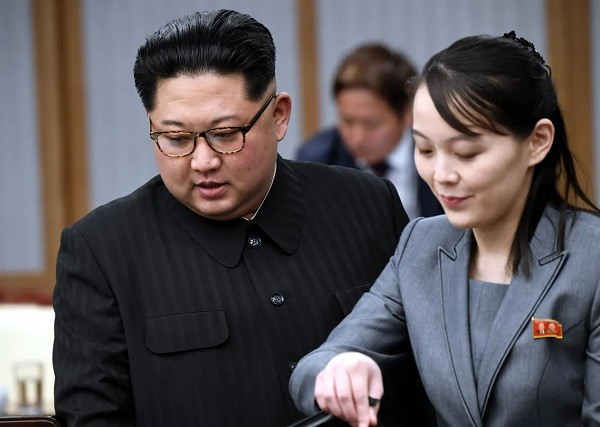
IIE DIGITAL DESK ; Pyongyang/Istanbul, June 19: International pressure over North Korea’s nuclear programme, Pyongyang has made it clear that it has no intention of changing its position. Following the G-7 summit’s renewed call for the complete denuclearisation of North Korea, Kim Yo Jong, the sister of Supreme Leader Kim Jong Un and one of the most influential figures in the country’s ruling establishment, firmly stated that North Korea’s status as a nuclear-armed state is irreversible and cannot be altered.
Pyongyang considers its nuclear arsenal to be one of the central pillars of its national security strategy. Kim Yo Jong argued that the country had developed its nuclear capabilities as a necessary measure to protect itself from external threats. Therefore, she maintained that international pressure, diplomatic statements, or political criticism would not force North Korea to abandon or revise its existing nuclear policy.
The G-7 summit held in Évian, France, the leaders of the member nations called on North Korea to completely dismantle its nuclear weapons programme in accordance with United Nations Security Council resolutions. The G-7 countries also expressed deep concern over Pyongyang’s ballistic missile development, alleged cyber activities, and cryptocurrency theft operations, emphasizing the need for stronger international cooperation to address these challenges.
Criticising the G-7’s position, Kim Yo Jong stated that attempts to influence North Korea’s nuclear policy do not reflect the reality of the current geopolitical situation. She stressed that Pyongyang would never compromise on issues related to its national security and sovereignty. Instead, North Korea would continue strengthening its self-defence capabilities and maintain its strategic military development in the future.
The Group of Seven (G-7), comprising the world’s seven major advanced economies—the United States, Canada, the United Kingdom, France, Germany, Italy, and Japan—has consistently opposed North Korea’s nuclear ambitions and has repeatedly demanded complete denuclearisation. However, Pyongyang has repeatedly maintained that its nuclear programme is not open for negotiation and remains closely tied to the country’s security interests.
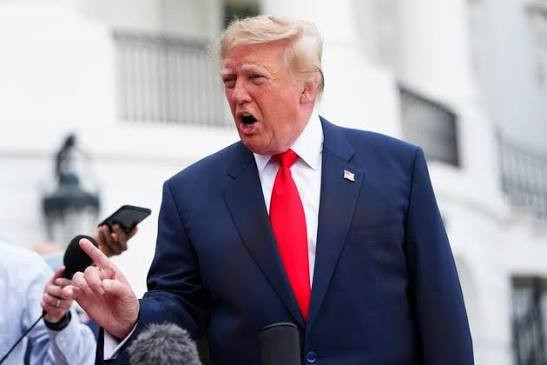
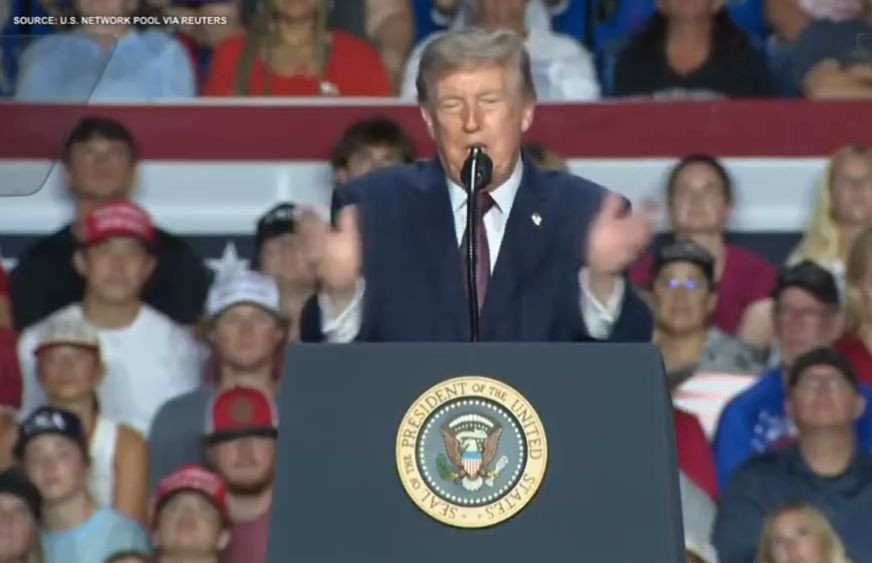
South Korean President Lee Jae-myung claimed that during a meeting with US President Donald Trump on the sidelines of the G-7 summit, Trump expressed concerns regarding North Korea’s advancing nuclear programme. According to Lee, he requested Trump to give greater priority to the issue, and the US President acknowledged the seriousness of the situation. Lee further claimed that Trump expressed regret that stronger measures had not been taken before North Korea achieved its current level of nuclear capability.
These recent diplomatic developments indicate that the divide between the international community and Pyongyang over the nuclear issue is becoming increasingly deeper. As both sides continue to hold firm to their positions, the possibility of renewed tensions over North Korea’s nuclear programme in the coming days cannot be ruled out.
You might also like!