Iran Fires Massive Missile and Drone Barrage Across the Middle East, Sirens Wail in Tel Aviv, Blasts Rock Dubai and Doha Amid Full-Scale Escalation
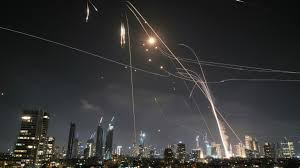
IIE DIGITAL DESK : The Middle East has plunged deeper into a historic armed confrontation as Iran launched an extensive wave of missiles and drones against targets across the region in response to a major United States and Israel military strike against Iranian territory that reportedly killed Iran’s Supreme Leader Ayatollah Ali Khamenei and senior commanders in Tehran and other cities. The retaliatory assault — described by Iran’s Islamic Revolutionary Guard Corps as its most ferocious military operation — has triggered sirens throughout Israel including in Tel Aviv and Jerusalem as Tehran’s forces fired barrages toward both U.S. and Israeli positions and allied nations hosting American troops, marking a dramatic expansion of the conflict that is now reverberating far beyond the original battlefields.
Early Sunday morning explosions and blasts were reported in United Arab Emirates with loud bangs heard across Dubai and its surrounding regions as Iran’s missiles and drones came within range of key infrastructure and airspace. Emergency sirens and alerts were sent to millions of residents in the UAE urging them to seek immediate shelter as the nation’s advanced air defence systems moved into high readiness to intercept incoming threats. UAE authorities subsequently reported that their systems shot down dozens of ballistic missiles and hundreds of drones launched from Iranian territory, though debris from intercepts caused fires and contributed to disruption in commercial hubs including the port at Jebel Ali and near major urban areas. Similar blasts were also confirmed in Doha and Manama, with local air defenses engaging threats and thick plumes of black smoke seen rising over cities as residents reported multiple loud detonations in the skies.
Israel itself, repeated air-raid sirens blared across central and southern regions including the densely populated metropolis of Tel Aviv as Iranian missiles triggered defensive measures by the Israel Defence Forces. The ongoing exchanges have forced citizens, tourists, and workers to race for bomb shelters and reinforced rooms as the government elevated emergency alerts and mobilized additional reservists amid the barrage. One missile reportedly struck in central Tel Aviv, killing a civilian and wounding others despite Israel’s multi-layered protective systems intercepting many of the threats. The toll of the new strikes has heightened fear and disruption across urban centres, with ordinary life interrupted by the constant threat of further attack.
Across the Gulf, United States Armed Forces bases and allied facilities in several countries have been targeted in what Iran claims are strikes on American “military infrastructure” in nations that host U.S. troops, including sites in Bahrain, Kuwait, Qatar, and parts of Saudi Arabia. Governments have responded by closing airspace, cancelling thousands of flights across the region, evacuating embassies, and issuing safety advisories to foreign nationals. Regional leaders have condemned the attacks, with the UAE publicly urging Iran to “go back to your senses” and de-escalate the conflict while maintaining their readiness to defend their territory. The dramatic escalation has not only inflamed long-standing tensions between Iran and its adversaries but also forced geopolitics and daily life across the Middle East into a volatile new chapter, raising fears of wider instability that could affect global security and economic systems.
You might also like!