‘I Will Return’: Sheikh Hasina Signals Political Comeback in December
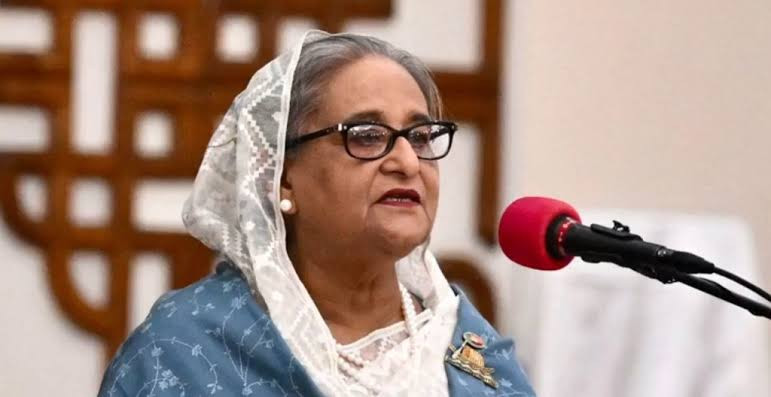
IIE Digital Desk: Despite facing ongoing legal and security issues, former Bangladesh Prime Minister Sheikh Hasina has announced her intention to return to the country in December with the Awami League leaders, marking a significant moment of political revival.
Speaking to party supporters online, Hasina said she and her colleagues are prepared to return home in case of an emergency when they have time to confront authorities. She asserted that she is not afraid of the outcome and believes that her political destiny should be determined by the Bangladeshi people.
After a series of widespread protests that led to the dissolution of her government, Hasina has been living in India since August 2024. The political landscape of Bangladesh has been altered significantly, with the Awami League being banned throughout the country and its members being investigated by the judiciary and brought to trial. Additionally,
There have been legal disputes surrounding the former prime minister. In absentia, she was found guilty of charges related to the management of anti-government protests by a war crimes tribunal, which she has consistently refuted. However, Hasina has insisted that she will always return to her country of origin. Hasina spoke about the current state of democracy in Bangladesh during her online address. Her statement criticized the decline of democratic institutions and the rule of law, while also alleging that political pressure still exists on both leaders and supporters of Awami League. Many citizens are deprived of political representation due to the party's ban, according to her statement.
She also said the Awami League has been trying to restructure its activities through online meetings and digital outreach. Despite restrictions on the party's activities, she stated that its members remain active and committed to connecting with supporters across the country. However, her statement was controversial.
Hasina acknowledges the risks of returning and is fully aware of the challenges that lie ahead. Even so, she argued that it is better to face legal challenges at home rather than being stuck in exile for an extended period. Regardless of the personal consequences, she expressed a determination to reconnect directly with Bangladesh's political future in her comments.
Bangladesh's political uncertainty persists despite the announcement. Despite the expected return of President Hassan Abbas to power, there are still uncertainties surrounding how the Awami League will fare, the country's democratic institutions, and national politics in general will evolve. She is one of the most prominent and recognizable political figures in the country, and her return could have far-reaching consequences.'
Although officials in Bangladesh and India have not yet given their formal responses, her statement has already triggered renewed discussion about her legal status, the future of her party, and changes in the country's political landscape. The coming months may hold crucial information for Bangladesh as the public becomes more and more focused on Hasina's expected comeback.
You might also like!