33rd APEC Summit in Shenzhen; Trump, Putin and Xi Jinping Share the Global Stage
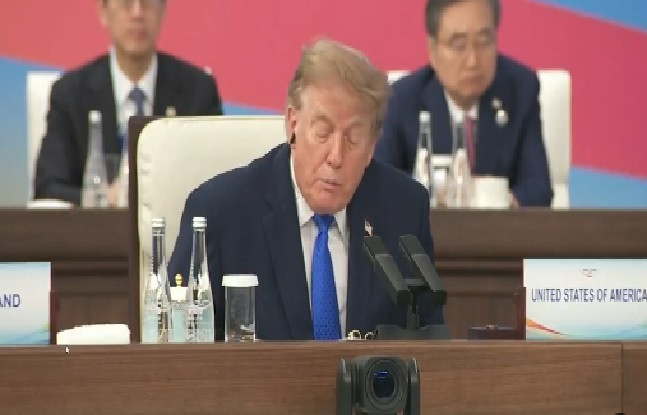
IIE DIGITAL DESK ; Shenzhen, China, November 19: The 33rd Asia-Pacific Economic Cooperation (APEC) Economic Leaders' Summit in Shenzhen, China, has drawn global attention as some of the world's most influential leaders gathered on the same international platform. Alongside discussions on global economic cooperation and regional development, the presence of US President Donald Trump, Russian President Vladimir Putin and Chinese President Xi Jinping has become a major talking point. The summit is taking place at a crucial moment for the global economy, with international trade, emerging technologies, energy security and geopolitical stability dominating the international agenda.
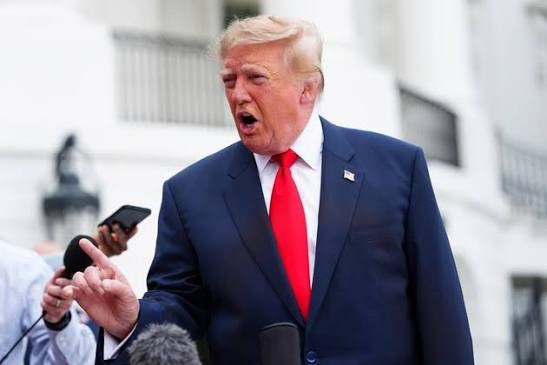
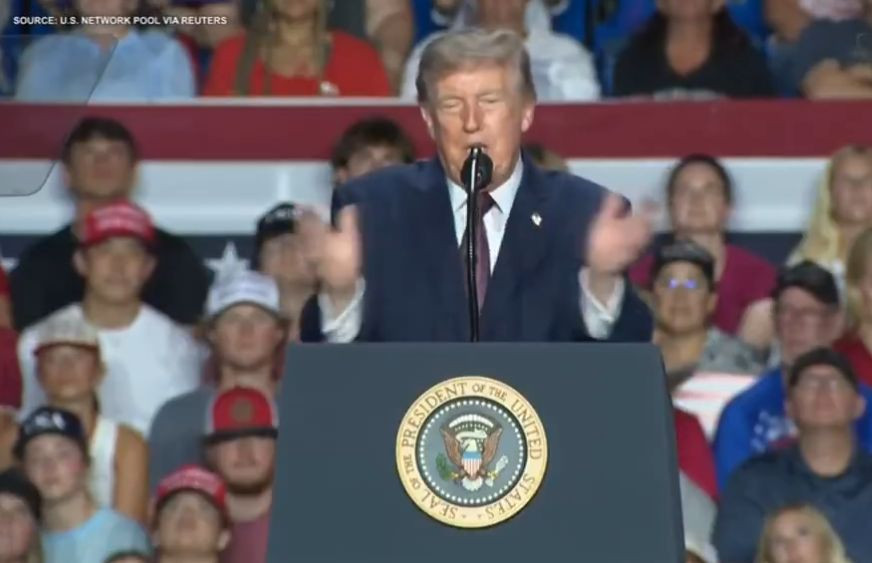
The gathering on Thursday, US President Donald Trump placed strong emphasis on America's position in international trade, the rapid development of artificial intelligence and the country's leadership in the energy sector. His remarks reflected Washington's intention to strengthen its economic partnerships across the Asia-Pacific region while maintaining its technological and industrial advantage.
Speaking about international trade agreements, Trump indicated that the United States was holding discussions with several countries represented at the summit. He expressed confidence that a number of significant trade agreements would be signed with important trading partners in the near future. Referring to the leaders seated around the conference table, he said that Washington was already engaged in negotiations with several countries and expected major developments in bilateral trade relations.
Trump's comments on trade came at a time when global economies are increasingly focusing on supply chain resilience, market access and economic partnerships. The US President's remarks suggested that trade diplomacy would remain a key priority for his administration, particularly in strengthening America's commercial relationships with important economies.
One of the most striking aspects of Trump's address was his strong defence of artificial intelligence, particularly the emerging concept of 'Superintelligence'. Describing it as one of the greatest technological transformations since the Industrial Revolution, Trump argued that the development of advanced artificial intelligence could fundamentally reshape the global economy and open unprecedented opportunities for prosperity and innovation.
Claiming that Americans had invented superintelligence, the US President said his country was proud to be leading the world in this technological field. He emphasised that the United States did not want to take measures that could destroy the enormous potential of the technology. According to Trump, advanced AI should be carefully monitored, protected and encouraged so that its benefits can be maximised for people across the world.
The same time, he acknowledged that the technology could also create certain risks and challenges. He argued that governments must remain cautious about its negative consequences and develop appropriate safeguards without restricting its broader potential. Trump also strongly opposed what he described as globalist efforts to control or suppress superintelligence through international regulation. Making his position clear, he indicated that his administration would resist any such approach.
His comments highlight the growing international debate over the future of artificial intelligence, particularly the balance between technological innovation, national security and government regulation. While several countries are exploring regulatory frameworks to address the potential risks of advanced AI, Trump's remarks underlined Washington's preference for encouraging innovation while maintaining national leadership in the sector.
Energy security and America's expanding commercial interests also featured prominently in the President's address. Referring to Venezuela, Trump claimed that American oil companies were doing exceptionally well in the country and that major US energy corporations had already begun operations there. His remarks highlighted the importance of international energy investments and the role of American companies in expanding their presence in global oil markets.
The US President's comments on Venezuela also brought attention to the broader connection between energy resources, international business and geopolitical interests. With energy security continuing to influence global economic relations, investments in oil and other resources remain an important component of international diplomacy.
Concluding his address, Trump reiterated that the United States remained committed not only to economic prosperity across the Asia-Pacific region but also to maintaining regional stability and peace. He stressed the importance of cooperation and stability in ensuring sustainable economic development.
With global trade negotiations, artificial intelligence and energy security emerging as major themes, the 33rd APEC Summit has become an important platform for discussions on the future direction of the world economy. The gathering of prominent global leaders in Shenzhen has also attracted considerable international attention, with their interactions and positions likely to influence discussions on economic cooperation and geopolitical relations in the months ahead.
You might also like!