Dance Events: Inspiring Better Mental Well-Being
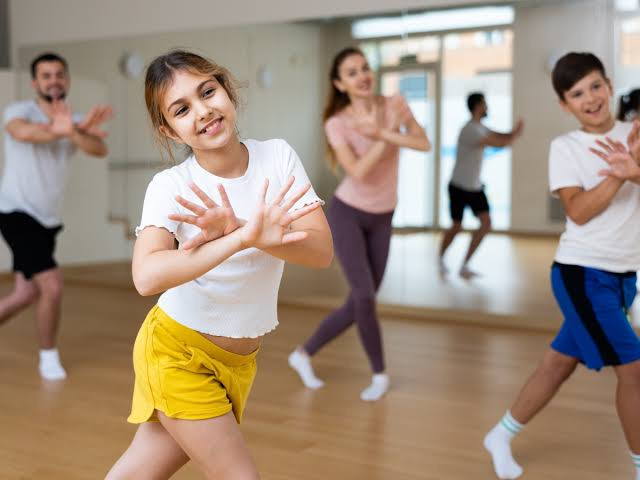
IIE DIGITAL: Participating in structured dance programmes can significantly improve mental health and cognitive performance, with benefits matching or even exceeding those of traditional forms of exercise, according to a new Australian study. Researchers found that engaging in any form of structured dance for at least six weeks can enhance emotional well-being, reduce depression and anxiety, strengthen motivation, improve memory and support overall cognitive function.
The
findings, published in the journal Sports Medicine (2024), are based on a
comprehensive systematic review and meta-analysis conducted by researchers from
the University of Sydney, the University of New South Wales, Macquarie
University and the Queensland University of Technology. The study examined the
effects of dance on psychological and cognitive health by analysing a wide
range of previously published research.
The
review included participants between the ages of 7 and 85 years, covering both
healthy individuals and people living with chronic conditions such as
Parkinson's disease, heart failure, cerebral palsy and fibromyalgia.
Researchers evaluated multiple dance styles, including theatrical, aerobic,
traditional and social dance, and compared their impact with activities such as
walking, weight training, martial arts and team sports.
The
analysis showed that structured dance consistently produced positive outcomes
in several areas of mental health. Participants experienced improvements in
emotional well-being, motivation, social cognition and different aspects of
memory, while symptoms of depression and anxiety were also reduced. In some
cases, dance proved even more effective than other exercise-based
interventions.
Lead
researcher Dr Alycia Fong Yan from the University of Sydney explained that
dance stimulates the brain in unique ways. Learning choreography strengthens
cognitive abilities, while group and partner dancing encourages meaningful
social interaction. At the same time, the creative and expressive nature of
dance contributes positively to emotional health. She noted that these benefits
were observed across different age groups and among both healthy participants
and those with medical conditions.
The
researchers also pointed out that maintaining long-term participation in
physical activity is often difficult. Dance, however, offers an enjoyable and
engaging alternative, making it easier for people to remain physically active
over extended periods. They believe many people underestimate dance as a form
of exercise despite its ability to deliver both physical and psychological
benefits comparable to conventional fitness routines.
The study
found age-related differences in existing research. Investigations involving
adults below the age of 55 largely focused on mental health outcomes, whereas
studies involving older adults primarily examined cognitive performance. Dance
showed particularly strong benefits in improving self-confidence, reducing
anxiety and depression, increasing motivation and enhancing overall quality of
life, especially among older participants.
Although
research involving children and adolescents remains limited, available evidence
suggests that dance may be more effective than other forms of exercise in
reducing physical symptoms associated with psychological distress. The findings
also indicate that individual dance styles such as aerobic and modern dance can
improve mental well-being, demonstrating that the benefits of dance extend
beyond social interaction alone.
According
to Dr Fong Yan, dance combines movement, creativity and social connection in a
way that promotes overall well-being. Regular participation not only supports
mental health and cognitive function but also contributes to long-term physical
fitness, helps combat the effects of sedentary lifestyles and enables older adults
to maintain greater independence. The researchers concluded that structured
dance should be recognized as an evidence-based exercise option for individuals
seeking an enjoyable and sustainable path to better physical and mental health.
You might also like!