
High-Protein Vegetarian Diet: Hit 120g Protein Daily, Protein Powders and Nutrition Strategy
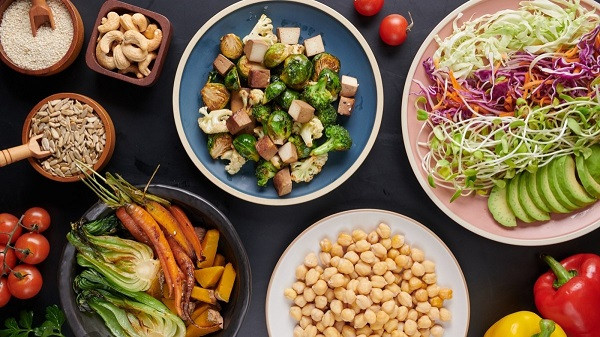
IIE DIGITAL DESK ; June 8: The growing focus on fitness and nutrition has brought high-protein vegetarian diets into the spotlight, with experts increasingly highlighting how vegetarians can successfully meet targets such as 120 grams of protein per day through carefully planned meals and supplements. The discussion centers on balancing plant-based foods with modern nutrition tools like protein powders to achieve daily requirements without relying on non-vegetarian sources.
Nutrition experts emphasize that a vegetarian diet can still provide complete and sufficient protein intake when it includes a wide variety of foods such as lentils, chickpeas, dairy products like paneer and yogurt, soy-based foods, nuts, seeds, and whole grains. These ingredients together help provide essential amino acids required for muscle repair, energy, and overall body function.
Health guidance, protein plays a crucial role in supporting muscle growth, metabolism, and cellular repair. While traditional Indian diets are often carbohydrate-heavy, increasing awareness about protein intake has led many individuals to consciously redesign their meals to ensure better nutritional balance.
The article highlights that achieving a target of 120 grams of protein per day is realistic for vegetarians if meals are structured properly across breakfast, lunch, dinner, and snacks. Foods such as Greek yogurt, paneer, legumes, tofu, and roasted nuts are commonly recommended as reliable protein sources that can be easily incorporated into daily diets.
The same time, protein powders are increasingly being used as a convenient supplement, especially among fitness enthusiasts and working professionals who struggle to meet protein requirements through food alone. These supplements help bridge nutritional gaps but are generally recommended to complement, not replace, whole foods.
Nutrition specialists also stress the importance of “protein diversity,” meaning that different plant-based sources should be combined to ensure a complete amino acid profile. This approach allows vegetarians to maintain muscle health and energy levels comparable to non-vegetarian diets when planned correctly.
Fitness culture rapidly expanding in India, high-protein vegetarian diets are becoming more mainstream, driven by awareness campaigns, lifestyle changes, and the growing availability of protein-rich foods and supplements in the market.
You might also like!