40 Gangetic Dolphins, 450 Turtles and Rare Birds Recorded Along the Flowing Kosi River
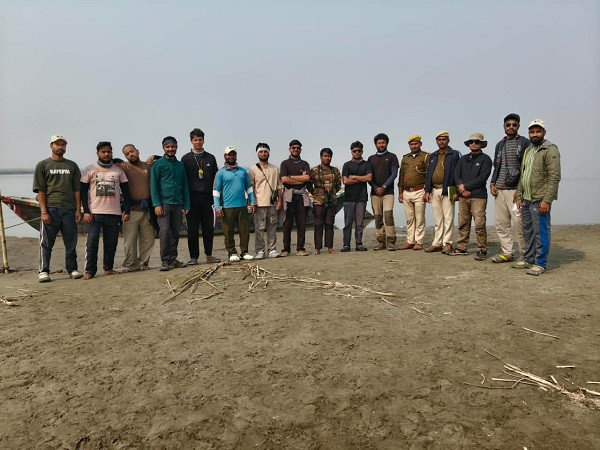
IIE DIGITAL DESK ; Saharsa, November 26: The flowing waters of the Kosi River and its adjoining wetlands have once again emerged as an important centre of rich and diverse wildlife, highlighting the ecological significance of the region. A biodiversity monitoring exercise conducted by the Forest Department on November 25 and 26 has recorded the presence of several rare aquatic animals, reptiles, mammals and migratory birds along an approximately 40-kilometre stretch of the river and wetland ecosystem in Bihar's Saharsa district.
The survey covered the riverine and wetland areas extending from Maricha to Pipra Chak, where forest officials documented a remarkable variety of wildlife. The findings were presented by Divisional Forest Officer (DFO) Bharat Chintapalli, who highlighted the ecological richness of the Kosi river system and the importance of protecting its natural habitats.
One of the most significant findings of the survey was the presence of approximately 40 Gangetic dolphins along the monitored stretch. The Gangetic dolphin, an important freshwater aquatic mammal, is widely regarded as an indicator of the health of river ecosystems. Its presence in the Kosi highlights the importance of maintaining clean water, adequate food availability and suitable aquatic habitats.
The monitoring exercise also recorded approximately 450 turtles belonging to two different species. Of these, around 300 were identified as Pangshura smithii, while approximately 150 belonged to the species Pangshura tentoria. The survey also documented the presence of a juvenile gharial, adding further significance to the findings. Gharials are among the most distinctive and threatened crocodilian species found in the Indian subcontinent, making their presence particularly important from a conservation perspective.
The forest officials also recorded the presence of other mammals, including golden jackals and jungle cats. These observations indicate that the surrounding riverbanks, wetlands and adjoining natural landscapes continue to provide habitats for different categories of wildlife. The coexistence of aquatic and terrestrial species reflects the ecological diversity of the Kosi region.
The arrival of winter has also brought an impressive variety of migratory and water-dependent birds to the wetlands. During the two-day monitoring exercise, officials recorded 16 species of birds, several of which are known to migrate over long distances during the winter season in search of suitable feeding and resting grounds.
The recorded species included the Lesser Adjutant, Greater Adjutant, Peregrine Falcon, Osprey, Bar-headed Goose, Greater Spotted Eagle, Pied Harrier, Hen Harrier, Common Shelduck, Long-tailed Godwit, Long-legged Buzzard, Northern Lapwing, Temminck's Stint, Avocet, Common Snipe and Great Crested Grebe.
The presence of these birds highlights the importance of the Kosi wetlands as seasonal habitats for resident and migratory avifauna. With winter setting in, wetlands across the region become increasingly important for birds travelling from different geographical locations. These water bodies provide essential food resources, resting places and suitable environmental conditions for their survival during migration.
The Forest Department, the river and wetland ecosystem extending from Maricha to Pipra Chak holds considerable environmental importance. The presence of Gangetic dolphins, gharials, turtles and several bird species demonstrates the ecological value of maintaining a healthy and uninterrupted river system.
The findings have also renewed attention towards the need for long-term conservation of the Kosi riverine landscape. Pollution, encroachment, habitat degradation and increasing human activities can place considerable pressure on sensitive aquatic and wetland ecosystems. Protecting the natural flow of the river and preserving its adjoining wetlands are therefore essential for maintaining biodiversity.
The latest survey has offered encouraging evidence of the wildlife wealth that continues to survive along the Kosi River. However, conservation experts and environmental authorities face the important task of ensuring that these habitats remain protected from growing ecological threats.
40 Gangetic dolphins and 450 turtles to a juvenile gharial and 16 species of birds, the findings have brought the ecological importance of Bihar's Kosi wetlands into sharp focus. The survey serves as a reminder that protecting rivers and wetlands is not merely about conserving water resources but also about safeguarding an entire network of wildlife that depends on them for survival.
You might also like!