Trinamool Now Caught in a Maze of Courts and Election Commission: Dilip Ghosh
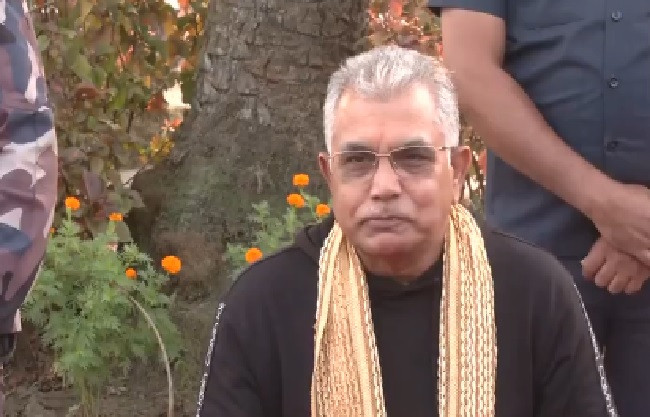
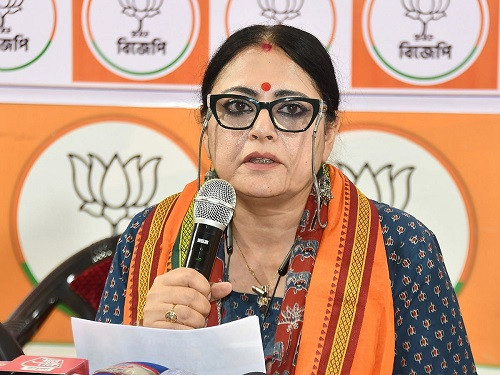
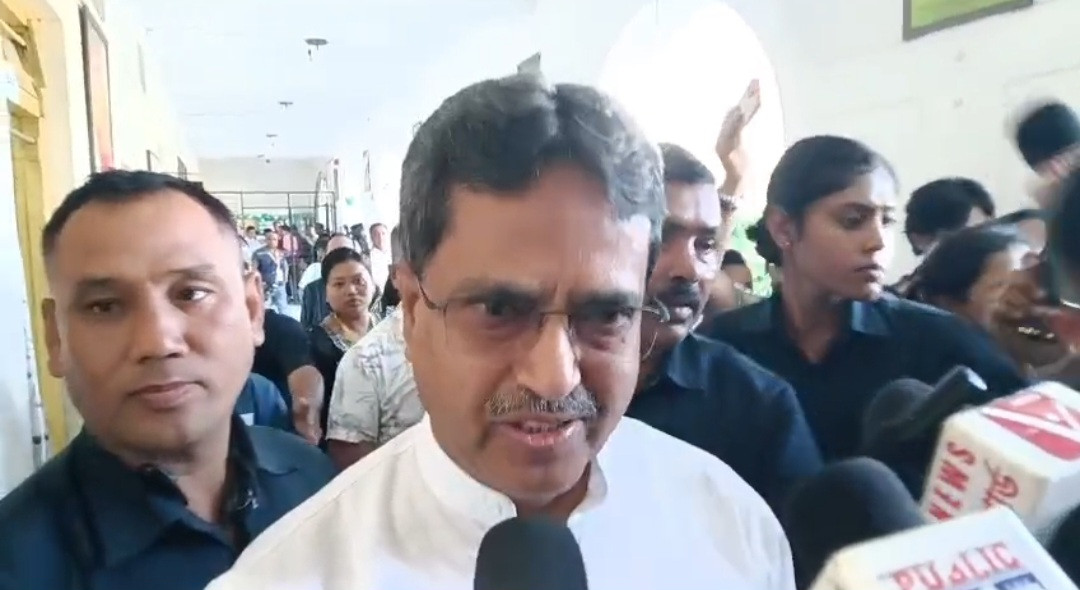
IIE DIGITAL DESK ; Kolkata, November 27: West Bengal minister Dilip Ghosh on Friday launched a fresh attack on the Trinamool Congress, claiming that the party has become politically isolated and is now caught in a complicated maze of legal battles and disputes with the Election Commission. Taking a sharp dig at the opposition party, Ghosh alleged that the Trinamool was neither among the people nor active in the Legislative Assembly, but was instead spending its time dealing with courts and approaching the Election Commission over various issues.
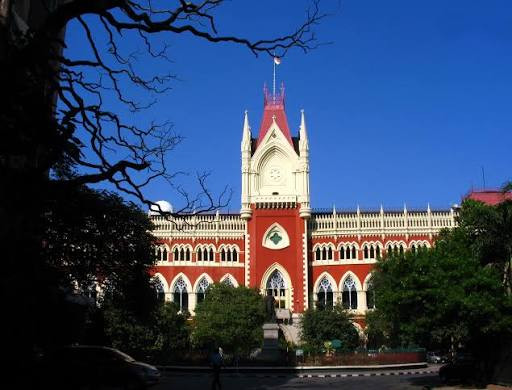
Speaking to journalists on Friday morning, Ghosh said, "The Trinamool Congress is neither among the people nor in the Assembly. Instead, it is now entangled in the maze of courts and the Election Commission." He further claimed that the party's leadership would remain occupied with these issues rather than fulfilling its responsibilities as an opposition party.
The people had given the Trinamool Congress a mandate to function as an effective opposition in the Assembly. However, instead of playing that role, the party was allegedly making excuses and repeatedly approaching different institutions to raise its concerns. He also criticised the party for staging protests and demonstrations outside the Election Commission, suggesting that such activities reflected its current political predicament.
The minister did not stop there and described the Trinamool Congress's present situation as an inevitable consequence of its past actions. Alleging that the party had misused its political power during its years in government, Ghosh claimed that it was now facing the consequences of that approach. He argued that the difficulties confronting the Trinamool were not unexpected but were the result of its own political decisions and conduct.
Ghosh also raised questions about the growing internal differences within the Trinamool Congress. According to him, divisions have begun to emerge within the party's organisational structure and are no longer limited to its senior leadership. He alleged that the differences were becoming increasingly visible inside the Legislative Assembly and were gradually spreading among grassroots-level party workers.
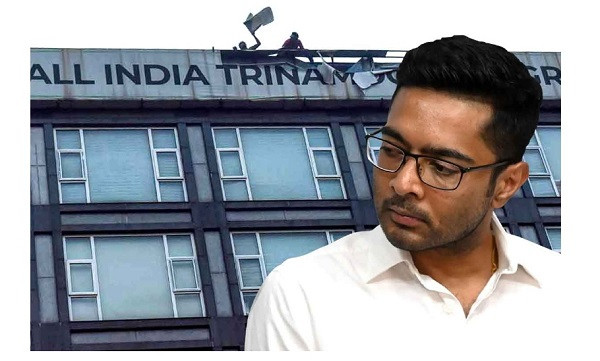
The minister also referred to the legal controversies surrounding Trinamool Congress national general secretary Abhishek Banerjee. Taking a political swipe at him, Ghosh pointed out that several cases were pending against Abhishek and claimed that even members of his family were now initiating legal proceedings against him. He argued that such developments demonstrated the consequences of misusing political authority. His remarks came amid growing political attention surrounding the reported family dispute and legal developments involving Abhishek Banerjee.
Commenting on the question of who would occupy the opposition benches in the West Bengal Legislative Assembly, Ghosh said that the matter would ultimately depend on which political faction could demonstrate majority support. He maintained that the decision was not in the hands of his party and that the concerned groups would have to approach the Election Commission to establish their respective claims.
His remarks are likely to intensify the ongoing political confrontation between the ruling side and the Trinamool Congress. With questions surrounding the opposition's role, internal organisational differences and legal disputes continuing to dominate political discussions, the developments have added another dimension to the state's already charged political atmosphere.
Ghosh's latest comments have once again brought the Trinamool Congress under sharp political scrutiny, with the minister portraying the party as struggling to manage both its organisational challenges and institutional battles. The Trinamool Congress, however, may present its own interpretation of the developments as the political confrontation continues.
You might also like!