Yashasvi Jaiswal and KL Rahul Keep India in the Contest Against New Zealand; Hosts Fight Back on Day Two
IIE DIGITAL DESK ; Wellington, November 20: India showed signs of a strong comeback against New Zealand on the second day of the first Test, with openers Yashasvi Jaiswal and KL Rahul producing impressive batting performances. However, despite a promising start, India once again struggled to maintain momentum after losing a key wicket. At stumps on Day Two, India had reached 159 runs for the loss of one wicket, keeping their hopes alive after New Zealand posted a challenging first-innings total of 368.
India's performance on the second day followed a pattern similar to what happened during the opening day. The Indian bowlers had initially dominated New Zealand's batting, reducing the visitors to 70 for five. However, the Kiwi batters staged a remarkable recovery through a magnificent partnership between Henry Nicholls and Glenn Phillips. India appeared to have New Zealand under control before the middle and lower order turned the match around with a determined batting display.
At the end of the first day, New Zealand were struggling at 70 for five after India's fast bowlers delivered an impressive performance. But Nicholls and Phillips completely changed the complexion of the innings. The duo put together a crucial partnership, taking the team from a precarious position of 70 for five to 286 runs. Both batters went on to score magnificent centuries, frustrating the Indian bowling attack and putting New Zealand back in a commanding position.
Glenn Phillips was particularly impressive and also created a world record during his remarkable innings. His aggressive approach and ability to score quickly under pressure made a significant difference to New Zealand's recovery. However, the lower-order batters failed to provide substantial support, preventing the visitors from crossing the 400-run mark. After batting for around one and a half days, New Zealand were eventually bowled out for 368 runs.
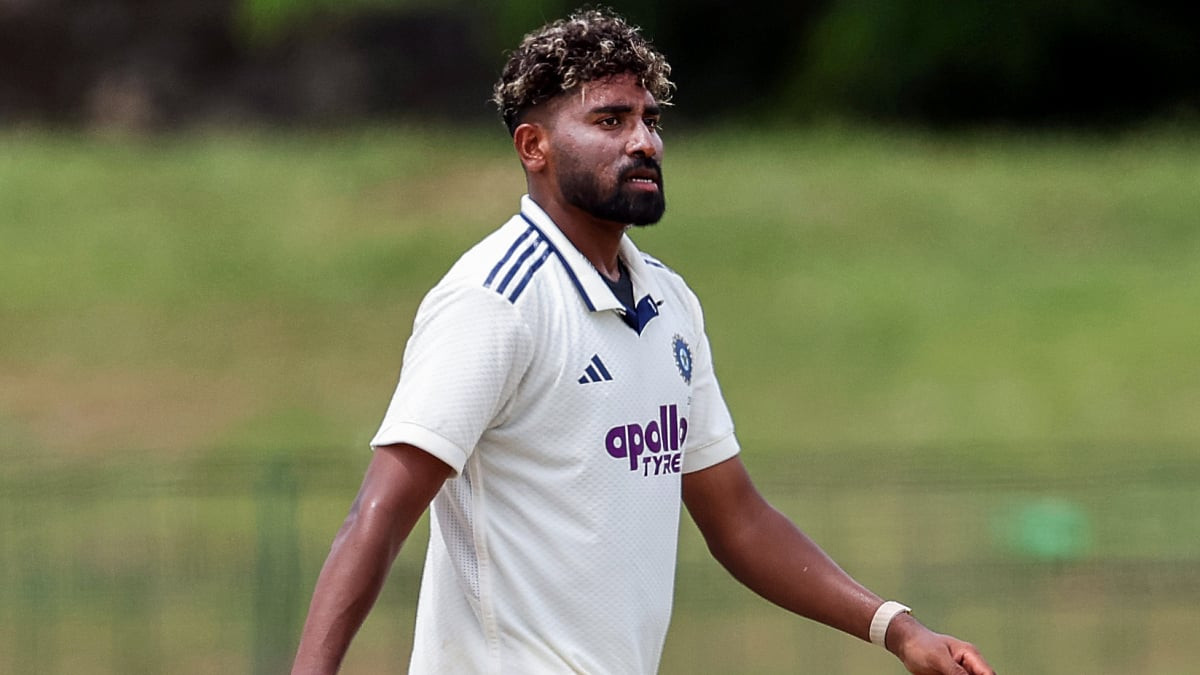
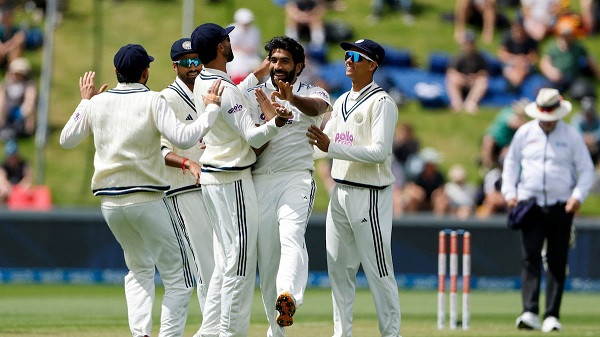
For India, Jasprit Bumrah emerged as the most successful bowler, claiming four wickets and providing crucial breakthroughs. Akash Deep also delivered an impressive performance with three wickets, making an important contribution to India's bowling effort. Among the fast bowlers, Akash Deep was particularly economical, conceding the fewest runs. All-rounder Anshul Kamboj also made his presence felt by taking two wickets for 69 runs.
However, Prasidh Krishna had a disappointing outing with the ball. He proved expensive throughout the innings, conceding 100 runs while managing to take just one wicket. His bowling figures of one wicket for 100 runs reflected India's struggle to contain the New Zealand batters during their recovery.
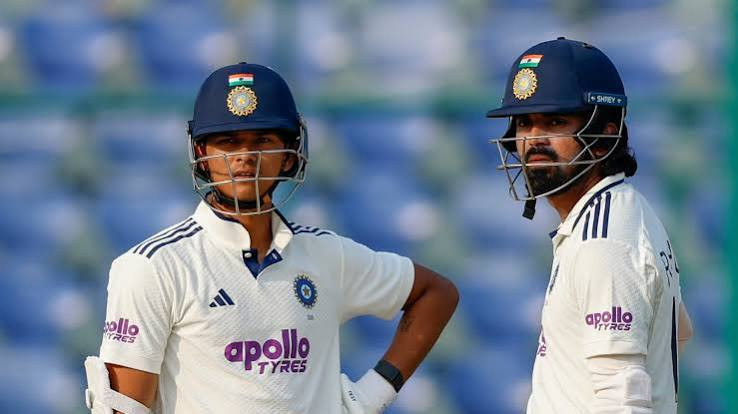
With 368 runs to chase in response to New Zealand's first innings, India needed a solid start from their opening pair. KL Rahul and Yashasvi Jaiswal initially handled the New Zealand bowlers with patience, negotiating the early swing and avoiding unnecessary risks. Once they settled at the crease, Jaiswal shifted gears and began attacking the opposition bowlers with his trademark aggressive batting.
The young left-hander looked determined to put India in a strong position. He played a series of attacking shots, finding the boundary regularly and putting pressure back on the New Zealand bowling attack. Jaiswal struck 16 boundaries and moved rapidly towards what looked like a well-deserved century. His confident stroke play raised hopes that India could cross the 200-run mark without losing another wicket by the end of the second day.
However, just when the opening partnership appeared to be firmly established, Jaiswal's aggressive approach eventually cost him his wicket. He departed after scoring 85 runs off 89 deliveries, falling just 15 runs short of a century. His dismissal proved to be a turning point in India's innings, as the scoring rate dropped considerably thereafter.
KL Rahul continued to hold one end and completed a valuable half-century. Unlike Jaiswal, Rahul adopted a more cautious approach, concentrating on preserving his wicket and building the innings. Although his presence at the crease provided some stability, India struggled to maintain the momentum generated by the opening partnership.
The contrast between India's start and the latter part of the innings was evident. While Jaiswal's attacking batting had put the New Zealand bowlers under pressure, his departure allowed the visitors to regain control. The Indian batters became more defensive, and the scoring rate slowed significantly.
Nevertheless, reaching 159 for one at stumps on the second day represents an encouraging response from India after New Zealand's total of 368. With nine wickets still remaining, the hosts have an opportunity to build a substantial partnership on the third day and reduce the deficit.
India will now depend heavily on KL Rahul and the remaining batters to maintain their composure and convert the promising start into a significant first-innings total. After two days of fluctuating fortunes, the contest remains finely balanced, although New Zealand will still hold an advantage unless India can produce a much stronger batting performance in the coming sessions.
You might also like!