
GTA 6 First Impressions: Rockstar Borrows Red Dead Redemption 2's Best Features, Takes Open-World Gaming to Another Level
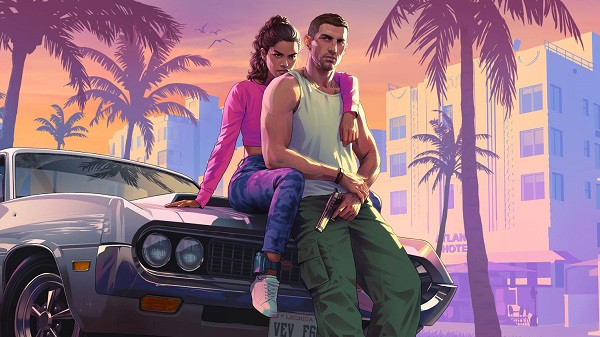
IIE DIGITAL DESK ; New Delhi, November 20: Rockstar Games has finally brought Grand Theft Auto VI to players, and the initial impressions suggest that the wait may have been worth it. Released on November 19, 2026, for PlayStation 5 and Xbox Series X/S, GTA 6 is already attracting attention for its breathtaking open world, realistic character interactions and significant gameplay improvements inspired by the critically acclaimed Red Dead Redemption 2.
The latest instalment in the Grand Theft Auto franchise is not simply an upgrade over GTA 5. Early impressions suggest that Rockstar has taken several of the most successful elements of Red Dead Redemption 2 and developed them further to create a more immersive experience. From realistic non-player characters (NPCs) and detailed safehouses to improved driving mechanics and more flexible missions, GTA 6 appears determined to redefine what players can expect from an open-world action-adventure game.
One of the biggest talking points is how naturally the game encourages players to explore its world rather than rush through the main storyline. Instead of immediately introducing large-scale criminal missions and explosive action, Rockstar allows players to experience everyday activities, interact with characters and gradually discover the environment.
The new game takes players to Leonida, a fictional American state inspired by Florida, with Vice City serving as one of its major locations. The environment is considerably more detailed than previous Rockstar open worlds, featuring busy streets, realistic traffic patterns, diverse neighbourhoods and characters who appear to have their own routines.
The first several hours of gameplay reveal a noticeable change in Rockstar's approach. Players initially take control of Jason Duval in the coastal town of Key Lento, where the experience is considerably more relaxed than the traditional GTA opening sequences.
Jason's early activities include completing smaller jobs, spending time with friends and exploring his surroundings. His seaside safehouse becomes an important part of the experience, offering considerably more interaction than the basic properties seen in earlier Grand Theft Auto games.
Players can watch television, browse magazines, listen to the radio, exercise, prepare food, drink coffee, change clothes and even purchase groceries to stock the refrigerator. Outdoor activities include fishing, kayaking and playing basketball.
These everyday interactions give the protagonist's home a more personal identity. The concept clearly draws inspiration from Red Dead Redemption 2, where camp life and interactions between characters helped make the world feel more believable.
One of the strongest impressions from the early gameplay is how heavily GTA 6 builds upon the foundations established by Red Dead Redemption 2.
Rockstar appears to have refined several mechanics rather than simply introducing completely new systems. The interaction system, character behaviour, inventory management and environmental storytelling all reflect the studio's experience with its previous blockbuster.
In earlier GTA games, safehouses were primarily places to save progress, change clothes and recover. In GTA 6, they have become interactive living spaces where players can spend considerable time without necessarily participating in criminal activities.
The similarities also extend to character interactions. GTA 6 allows players to approach people in the open world and engage in conversations, creating opportunities for unexpected exchanges, new jobs and confrontations.
The inventory system has also evolved. Players cannot carry an unlimited collection of weapons at all times. Instead, larger firearms must be stored in the vehicle's trunk, drawing inspiration from the way weapons were managed using horses in Red Dead Redemption 2.
The result is a more grounded approach to gameplay, where preparation and decisions become increasingly important.
Perhaps the most impressive improvement is the behaviour of non-player characters. Rockstar has reportedly dedicated a specialised development team to improving NPC personalities, animations and interactions.
Unlike previous games, where many pedestrians followed relatively predictable routines, GTA 6 introduces a much wider variety of reactions and behaviours.
Characters have different personalities, body types and dialogue options. Some may respond positively when approached, while others can become irritated or aggressive depending on the player's behaviour.
The interaction system allows players to initiate conversations with people they encounter during exploration. These exchanges can lead to humorous situations, unexpected opportunities or even fights.
Another major improvement is the introduction of spontaneous encounters. Instead of relying entirely on traditional map markers, players can discover unusual situations naturally while travelling through the world.
For example, an argument between strangers or a suspicious drug deal may develop into an unexpected side activity. Players can choose whether to intervene, ignore the situation or become involved in whatever follows.
This approach makes Leonida feel like a living environment rather than a collection of locations waiting for players to complete missions.
Rockstar has also addressed one of the longstanding criticisms of its open-world games: the limited freedom available during certain missions.
GTA 6 appears to offer more flexibility when approaching objectives. In one early mission, Jason must infiltrate a drug hideout to rescue an acquaintance.
Players can choose a direct approach by entering with weapons or attempt to complete the objective through stealth. This creates more possibilities for approaching situations rather than forcing everyone to follow the same sequence.
The game also introduces a criminal profile system that reportedly evaluates the player's behaviour. Aggressive actions and excessive violence can influence how the protagonist is perceived, while a more controlled approach may help establish a professional criminal identity.
These decisions could have consequences later in the story, potentially influencing the opportunities available to players.
This system adds another layer of strategy to the gameplay and gives greater importance to individual decisions.
GTA 6 introduces two central protagonists, Lucia Caminos and Jason Duval. Their relationship is an important part of the narrative, with the characters navigating a criminal world while attempting to build a life together.
The storyline draws inspiration from the classic crime-partner dynamic, combining action, romance and the darker aspects of organised crime.
The dual-protagonist approach allows Rockstar to explore different perspectives and create more varied gameplay experiences.
Their relationship is also reflected in the animation and presentation. Small interactions, expressions and physical gestures help establish a stronger emotional connection between the characters.
The story reportedly balances large-scale criminal activities with more personal moments, making the experience feel less like a sequence of disconnected missions.
Visually, GTA 6 represents one of Rockstar's most ambitious achievements. Leonida features highly detailed buildings, realistic vegetation, sophisticated lighting and an impressive variety of environmental elements.
The character models, facial expressions, clothing and animations have received substantial improvements. Even ordinary pedestrians appear more naturally integrated into the environment.
The lighting and reflections in Vice City create a distinctive atmosphere, particularly during outdoor exploration and nighttime activities.
The impressive visuals come with technical demands. According to early impressions from gameplay on the base PlayStation 5, GTA 6 targets 30 frames per second, with performance occasionally dropping into the mid-20s and lower in demanding areas.
The game's enormous open world, detailed environments and high density of characters appear to place considerable pressure on current-generation hardware.
Despite these occasional performance issues, the overall visual presentation has received considerable praise. The technical ambition is particularly impressive given the scale of the world Rockstar has created.
Vehicle handling has received noticeable attention. Cars behave differently depending on their type, while collisions and crashes appear more realistic.
The driving system reportedly strikes a balance between the heavier vehicle physics of GTA 4 and the more arcade-oriented handling of GTA 5.
Cars can flip over and roll during collisions, adding another dimension to high-speed driving and accidents.
Combat has also benefited from the more realistic approach to inventory management. Since players cannot carry every weapon simultaneously, choosing the right equipment before entering a mission becomes more important.
These changes help make the gameplay feel more grounded without removing the action and freedom that have always defined the Grand Theft Auto franchise.
Grand Theft Auto VI arrives with extraordinary expectations after more than 13 years since the release of GTA 5. The franchise has become one of the most successful properties in entertainment, and the pressure on Rockstar to deliver something exceptional has been enormous.
The initial impressions indicate that the studio has concentrated on more than visual improvements. Its biggest achievement may be the way different gameplay systems work together to create a believable open world.
The influence of Red Dead Redemption 2 is particularly evident in the attention given to everyday activities, environmental details and character interactions.
The early impressions are not a substitute for a complete assessment. Performance across different consoles, the quality of the full storyline and the long-term appeal of the gameplay will become clearer with extended play.
GTA 6 appears to be a major evolution of Rockstar's open-world formula. Rather than simply making Vice City bigger, the developer has attempted to make it feel more alive, more interactive and more personal.
You might also like!