Violence, Protests and Polls: Pakistan-Administered Kashmir Heads to Crucial Election Amid Unrest
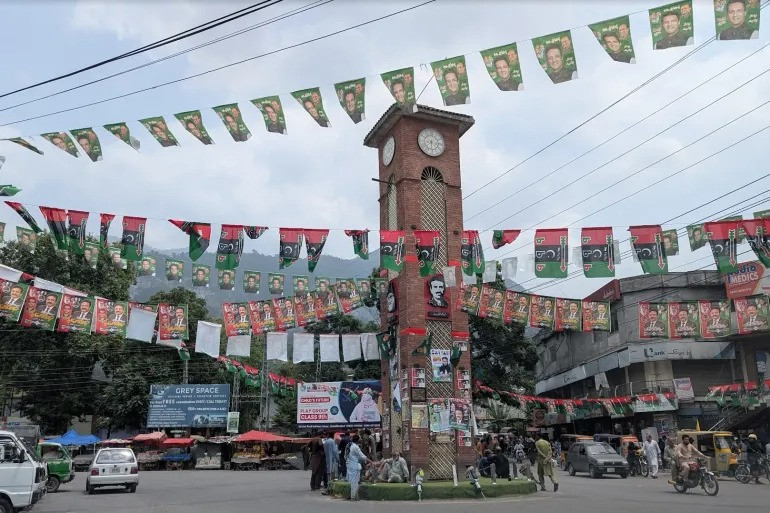
Muzaffarabad: Despite ongoing political tensions, violent protests and public discontent, Pakistan-run Kashmir remains poised to hold its landmark legislative election on July 27. The upcoming vote is widely seen as one of the most significant tests of political stability and governance in the region.
A major source of disruption is the allocation of 12 unused seats in parliament for refugees from Indian-administered Kashmir who are located in other parts of Pakistan. This represents an issue that requires attention. Objectors claim that the arrangement diminishes the political power of local voters and undermines those political rights of citizens living in the region.
Those who want to block the policy have been led by the Joint Awami Action Committee (JAAC), which has organized protests calling for all assembly seats to be filled by local candidates. Advocates contend that the present system doesn't accurately reflect the aspirations of those in the region. The disagreement has resulted in widespread protests that have at times turned violent. Some individuals remain silent. The clashes between security forces and protesters have led to casualties, resulting in more intense tensions. In reaction, the authorities have implemented increased security measures and restricted access to certain neighborhoods while also clamping down on demonstrators.
The Supreme Court of Azad Jammu and Kashmir made resounding decisions that validated the legality of the reserved seats, asserting that they are protected by the present constitutional structure. Upon the announcement, the court stated that any modification to the arrangement necessitated constitutional amendment, which would enable the election to proceed as intended.
Even though the verdict was issued, it has not alleviated public anger. Despite ongoing criticism from activists and political groups, Islamabad continues to disregard local issues and has renewed calls for greater political representation, governance reforms, and autonomy for the area.
This uprising has garnered worldwide attention. The United Nations High Commissioner for Human Rights has called on Pakistani authorities to investigate the deaths linked to the protests and ensure that any inquiry is transparent and impartial. Mr. In addition, the UN has called for restraint in dealing with protesters. This vote will reveal how much people support the current political system and may have a significant impact on future discussions about representation and self-rule.
Authorities are banking on the polls to reestablish trust in democratic institutions, as they prepare for election day. Even if the root causes are not addressed by many analysts, tensions may persist regardless of the winner.
For those living in Pakistan-administered Kashmir, the election is more than just a routine political procedure. This has turned into a referendum on representation, accountability, and the future course of governance for an area that is still grappling with intricate political issues and conflicting ideas about its destiny.
You might also like!