Digital Platforms Must Share Revenue Fairly With Content Creators, Says Vaishnaw—Policy Push Signals Big Shift in India’s Digital Economy
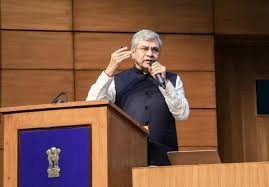
IIE DIGITAL DESK : Union Minister Ashwini Vaishnaw on Thursday issued a strong call for digital and social media platforms to adopt fair revenue-sharing practices with content creators, news publishers and independent contributors, emphasising that the vast value generated by online content must be more equitably distributed across the digital ecosystem. The remarks came at the Digital News Publishers Association (DNPA) Conclave 2026 in New Delhi, where industry leaders, policymakers and digital experts gathered to discuss the future of online media and monetisation.
Vaishnaw stressed that platforms currently collect the majority of advertising and subscription revenue first, and then distribute a small share to the creators whose content drives user engagement and profitability. He argued that this imbalance hurts the broader creative economy and could stifle innovation in science, tech, arts, culture and journalism if left unchecked. “Platforms must share revenue in a fair way with the people who are creating the content, whether it is news persons, conventional media, creators in remote areas, influencers, professors and researchers who are disseminating their work,” the minister said, underlining that the principle of fairness needs to be set right across the digital value chain.
Vaishnaw’s comments reflect a growing global dialogue on how digital platforms should compensate creators whose work fuels these ecosystems. India’s digital advertising market has expanded rapidly, and with that growth, concerns over whether creators are receiving their rightful share have mounted. The minister noted that if original content is not rewarded fairly, it could ultimately slow societal progress and undermine the trust users place in digital platforms.
Vaishnaw highlighted other responsibilities that digital platforms bear. He pointed to the rising threat posed by deepfakes, synthetic media and coordinated misinformation campaigns, suggesting that platforms must take greater accountability for the content they host. The minister said synthetic content—generated without consent—should not be used to mislead users or distort public perception, and platforms should take active steps to protect individuals’ rights and public trust.
Vaishnaw’s appeal was clear: digital intermediaries have evolved from mere conduits of information to powerful media outlets, and with that power comes responsibility. He urged platforms to reconsider their revenue policies voluntarily, while also noting that legal frameworks in many countries already mandate fair compensation models for creators, indicating that India could follow suit if voluntary action does not materialise.
The minister’s words struck a chord as they expanded the definition of “content creator” to include not just influencers or traditional media professionals, but also academics, researchers and creators located in rural and remote parts of the country. This broader perspective could influence future policymaking, with developers and platforms potentially required to build more inclusive monetisation structures that cater to a diverse set of contributors.
Vaishnaw’s statements at the DNPA Conclave underline a significant shift in India’s approach to digital economy regulation, balancing platform innovation with creator rights. The focus on fair revenue sharing, accountability and content safety points to an era where the contribution of creators may be recognised more firmly in economic terms, potentially reshaping how value is captured and shared within the online content ecosystem in the years ahead.
You might also like!