Questions Raised Over Investigation into Moynaguri Bus Tragedy, NBSTC Passenger Safety Under Scrutiny After Death of Six Travellers
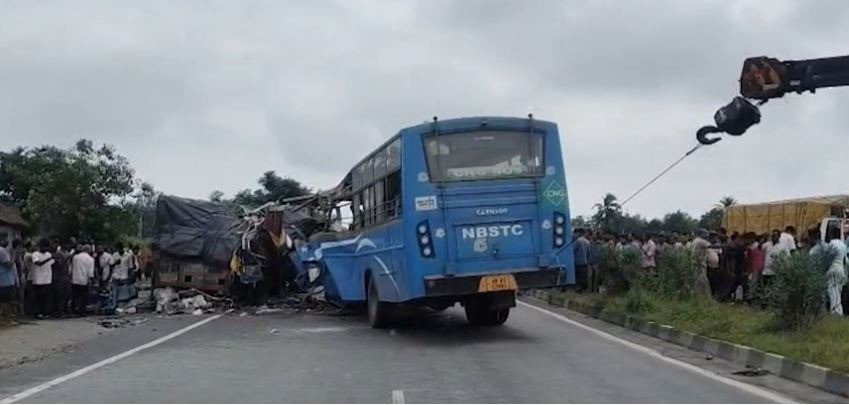
IIE DIGITAL DESK ; Jalpaiguri, June 23: The bus accident near Moynaguri has claimed the lives of six people, including a child, triggering serious concerns over passenger safety in the state’s public transport system. While the state government has announced financial assistance for the families of the victims, the tragedy has sparked a broader debate about safety standards and accountability within the transport network. The incident has become particularly significant at a time when the state administration is preparing to present a new development roadmap, making the accident an uncomfortable challenge for authorities. All the deceased and injured passengers were travelling on a bus operated by the North Bengal State Transport Corporation (NBSTC).
The case after major accidents, authorities initially assured the public that an investigation would be conducted. However, the controversy surrounding this incident has continued to grow. Questions have emerged regarding the manner in which NBSTC officials at the accident site reportedly gave the bus driver a clean chit almost immediately after the crash.
The decision has drawn criticism because a large number of injured passengers receiving treatment in hospitals have blamed the driver’s alleged negligence for the accident. According to several eyewitnesses and passengers, the driver did not appear to be in proper condition. Others alleged that the bus was travelling at an excessively high speed. Some passengers claimed that they repeatedly requested the driver to slow down and even advised him to stop the vehicle and take some rest, but their appeals were allegedly ignored.
The driver, who was later arrested by the police, has denied any wrongdoing and claimed that the accident occurred due to a mechanical failure in the bus. Supporting this version, the bus conductor stated that the vehicle lost control after a sudden tyre burst.
Even if the claims of mechanical failure made by the driver and conductor are accepted as true, questions remain regarding the responsibility of the transport corporation. Reports indicate that the accident-hit bus was only two years old. This has led to concerns about how a relatively new vehicle could have suffered from maintenance or fitness-related shortcomings severe enough to contribute to such a tragedy.
The incident has also brought attention to the overall maintenance standards of government-operated buses and the effectiveness of routine safety inspections. Transport experts argue that vehicle fitness checks, driver monitoring, and passenger safety protocols must be strengthened to prevent similar incidents in the future.
The accident, Transport Minister of State Anandamay Barman announced that all bus drivers would now undergo physical and mental fitness examinations before being allowed to operate vehicles. While the decision has been welcomed as a positive step, questions remain about how effectively it will be implemented on the ground.
Investigations continue, families of the victims and concerned citizens are demanding a transparent inquiry and accountability from all those responsible. The tragedy has once again highlighted the critical importance of road safety, vehicle maintenance, and driver fitness in ensuring the safety of passengers travelling on public transport across the state.
You might also like!