Culture Over Checklists: Indian Travellers Redefine Holidays with Meaningful Experiences
IIE Digital Desk: Indian tourists are embracing more immersive cultural experiences than traditional tourist destinations, reflecting a significant shift in the way their vacations are planned. The. A lot of people are now exploring the world's most renowned destinations and engaging in meaningful interactions with local cultures, customs (families), culinary traditions or art galleries, and diverse communities, making experiences the ultimate part of their journeys.
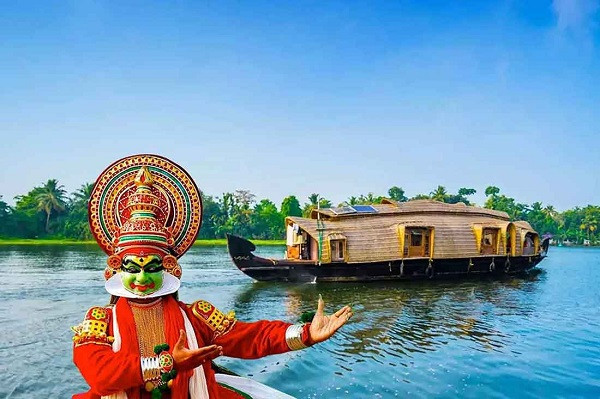
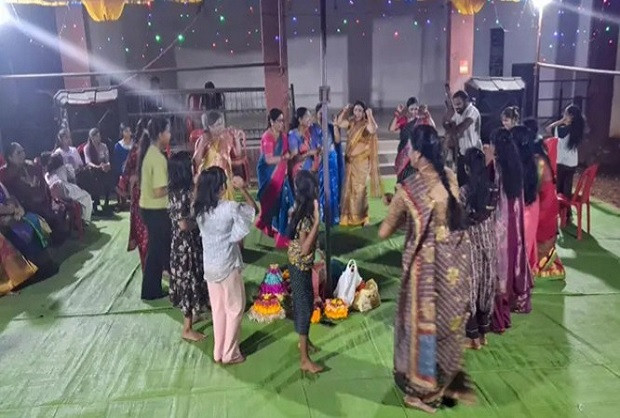
Travel experts have noted that the emphasis is no longer on destination but on enjoyable experiences, such as attending local festivals, mastering traditional crafts, embracing regional cuisine and social interactions with local communities. This trend has become more prominent in recent years. These experiences provide a deeper understanding of, and memories that go beyond pictures and tourist attractions.
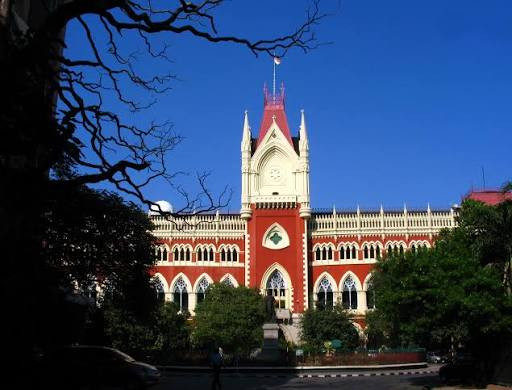
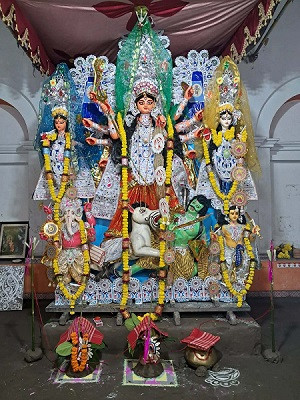
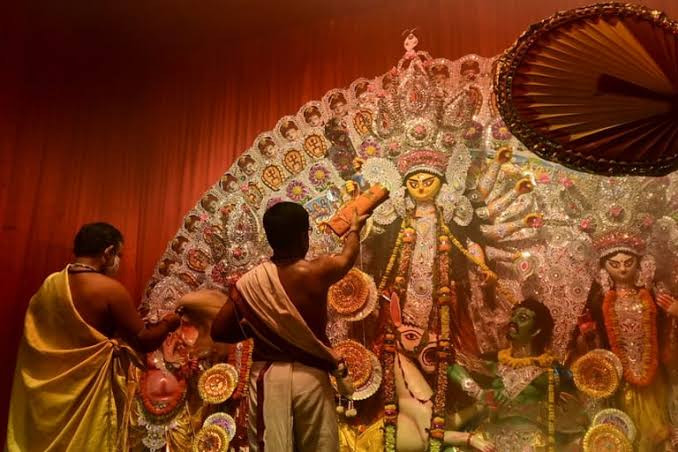
One of the strongest examples of this trend is West Bengal's Durga Puja, which has evolved into a global cultural attraction. Recognised by UNESCO as an Intangible Cultural Heritage of Humanity, the festival draws millions of visitors from across India and abroad every year. Tourists flock to Kolkata not only for the spectacular pandals and artistic idols but also to experience traditional Bengali cuisine, cultural performances, heritage walks, and the festive spirit that engulfs the city. For many travellers, Durga Puja is no longer just a religious celebration—it is a cultural journey that showcases Bengal's art, craftsmanship, and community life.
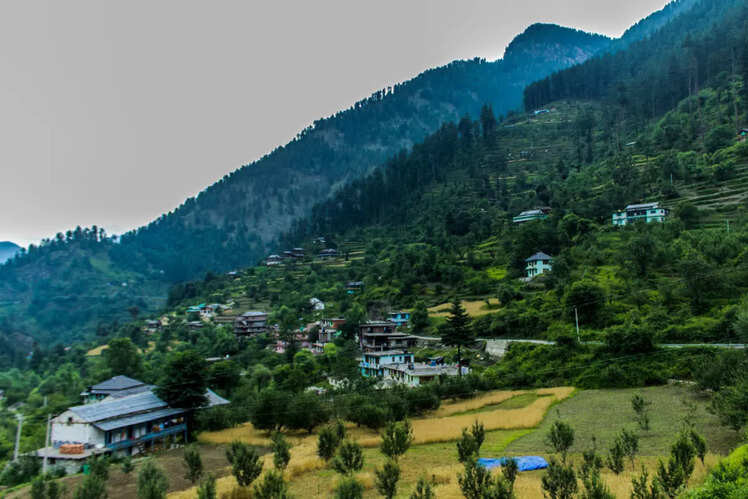
The trend is particularly prevalent among Millennials and Gen Z, who prioritize authenticity and storytelling over extravagantness. Instead of resorting for entire vacations, people are choosing to go on heritage walks, village stays, a culinary tour or wellness retreats and community-based tourism. Tourism experts in the industry have noted that social media has helped to motivate travellers to explore lesser-known destinations and unique cultural experiences, reflecting a shift towards traveling with purpose. People are dedicating more time to absorbing local customs, history, and traditions than hurry through various destinations. Such excursions not only provide greater enjoyment but also contribute to the prosperity of local artisans, small businesses, and cultural preservation efforts, benefiting regional economies.
Industry experts note that this change reflects a broader desire for slow and purposeful travel. Travellers are taking time to understand local customs, history, and traditions rather than rushing through multiple destinations. Such journeys not only create lasting memories but also support local artisans, small businesses, and cultural preservation, contributing positively to regional economies.
Interest in personalised travel is another factor driving the trend. More and more families, solo travellers as well as young professionals are creating itinerary in and of themselves around shared experiences such as attending a traditional music performance, cooking regional food with local chefs or exploring indigenous art forms. The creation of personalised holidays allows travellers to develop stronger emotional connections with the places they visit.'
The trend in travel is bringing about the cultural immersion that many people associate with India. Travellers now consider the richness of their experiences during their holidays as more important than how many destinations they have visited. Indian tourism is poised to be shaped by culture, authenticity and human contact with the increasing emphasis on meaningful travel.
Another factor driving the trend is the growing demand for personalised travel. Families, solo travellers, and young professionals are increasingly planning itineraries around experiences, whether it is attending a traditional music festival, learning local crafts, or joining a regional food trail. These customised holidays foster stronger emotional connections with destinations and encourage responsible tourism.
As India's travel landscape continues to evolve, cultural immersion is becoming the defining feature of modern tourism. Festivals such as Durga Puja, along with regional celebrations, heritage events, and local traditions, are proving that today's travellers seek meaningful experiences over mere sightseeing. For many, the true value of a holiday now lies not in the number of places visited but in the stories, culture, and human connections they bring home.
You might also like!