
Dark circles under your eyes? More than just lack of sleep could be to blame. Understand the causes and discover effective solutions.
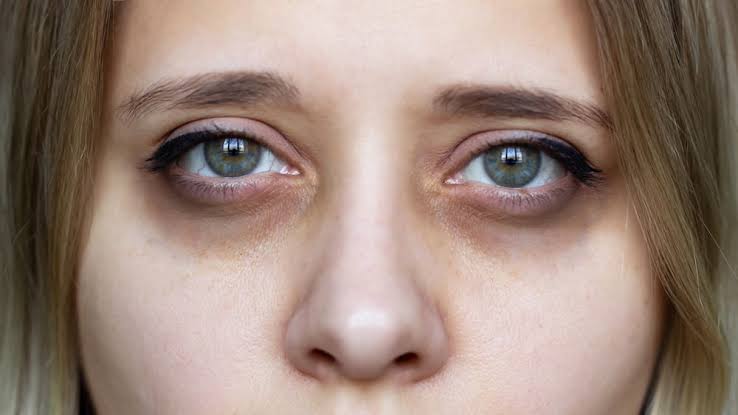
IIE DIGITAL: Dark circles are often blamed on sleepless nights, and while poor sleep can certainly make them more noticeable, it is far from the only cause. Several underlying factors can contribute to discoloration beneath the eyes, and the appearance of the dark circles often varies depending on what is causing them. Identifying the root cause is the first step toward choosing the right treatment.
According to Hyderabad based dermatologist Dr. Praneeta Jain, dark circles generally fall into several categories.
(i) Pigmentation
If the skin beneath the eyes appears dark brown or black, excess melanin production may be responsible. This type of pigmentation can develop due to genetics, prolonged sun exposure, allergies, or ongoing skin inflammation.
(ii) Hollow Under Eyes
Sometimes the darkness is actually a shadow rather than skin discoloration. As people age or lose weight, the fat beneath the eyes gradually diminishes, creating a hollow appearance. This natural depression casts a shadow, making the area look darker. A simple clue is to look upward in a mirror. If the darkness becomes less noticeable, it is likely caused by shadowing rather than pigmentation.
(iii) Natural Skin Tone Differences
Some people have a visible line separating the under eye area from the cheeks, creating two slightly different skin tones. This contrast can easily be mistaken for dark circles. It is a natural feature of the skin rather than a medical condition, although sun exposure, hormonal changes, and certain cosmetic products can make the contrast more pronounced.
(iv) Fine Lines and Wrinkles
Age related loss of collagen can cause the skin beneath the eyes to wrinkle or sag. These fine lines create tiny shadows that give the illusion of dark circles, even when there is no actual pigmentation.
(v) Visible Blood Vessels
Pink, purple, or bluish tones beneath the eyes are often caused by visible blood vessels beneath the thin under eye skin. This is more common in people with fair or lighter skin. Fatigue, dehydration, and inadequate sleep can slow circulation and make these blood vessels stand out even more, causing the area to appear darker.
(vi) More Than One Cause Can Be at Work
In many cases, dark circles are the result of several factors occurring together rather than a single issue. That is why treatments aimed at only one cause may not deliver noticeable results. If the darkness persists despite lifestyle changes or home remedies, consulting a dermatologist can help to identify the underlying cause and determine the most effective treatment plan.
You might also like!