Monsoon magic in Dooars: Five picturesque spots where nature reveals its most beautiful shades.
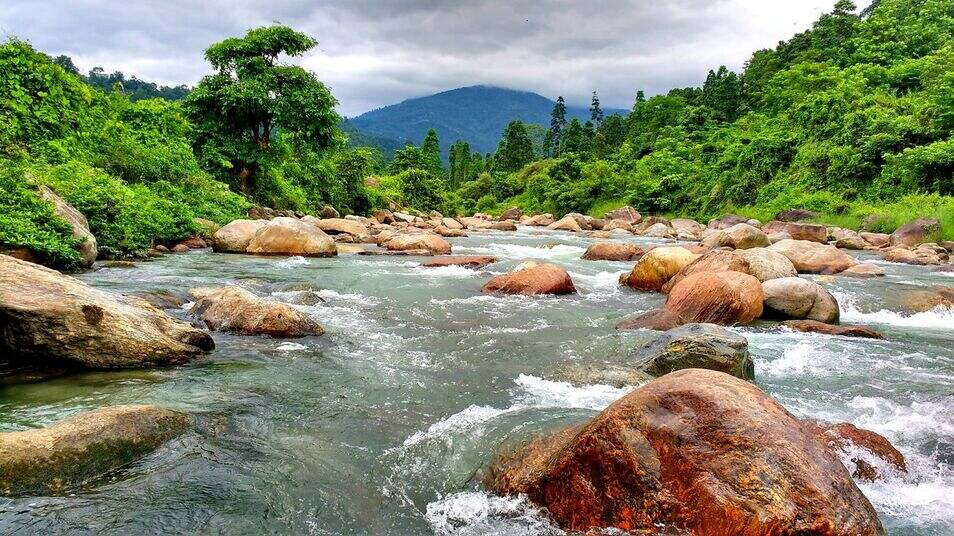
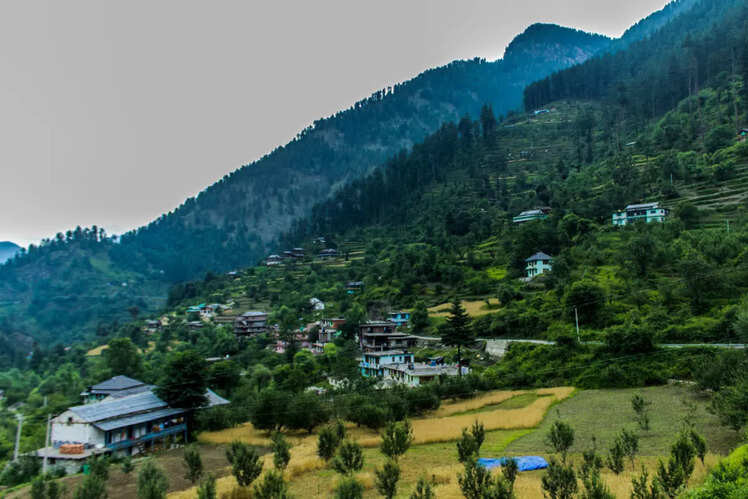
IIE DIGITAL: The dark monsoon clouds create a stunning canvas over the lush green forests of Dooars, where gushing rivers flow over smooth pebbles and raindrops bring the entire landscape to life. The combination of misty hills, dense forests, and the soothing sounds of nature gives this region a magical charm that attracts travellers every year.
Located at the foothills of the Eastern Himalayas, Dooars
is known for its unique blend of forests, rivers, tea gardens and wildlife.
During the rainy season, the greenery becomes deeper and more vibrant,
transforming the region into a breathtaking natural paradise.
Although Dooars is famous for its wildlife sanctuaries
and jungle safaris, most national parks and forests remain closed between June
and September due to the breeding season of animals. However, the monsoon
beauty of Dooars can still be enjoyed from several peaceful destinations where
travellers can relax and experience nature at its purest form.
Jhalong: Serenity by the
Flowing Jaldhaka River
Situated beside the Jaldhaka River, Jhalong is one of the
most beautiful destinations in Dooars. Surrounded by hills, forests and endless
greenery, this quiet village offers a perfect escape from busy city life. During
monsoon, Jhalong turns into a breathtaking retreat as rain refreshes the
forests and the river flows with renewed energy. Sitting beside the river,
travellers can spend hours listening to the sound of flowing water, chirping
birds and the gentle rhythm of nature.
The journey to Jhalong from New Jalpaiguri is equally
fascinating, passing through scenic forest routes and the Chapramari region.
Visitors can enjoy local delicacies such as Boroli fish, Tibetan momos, and
thukpa.
Although Gorumara National Park remains closed during
monsoon, nearby places like Bindu, Dalgaon, Rongo, and Tode can be explored.
Where to stay: Riverside cottages of the
West Bengal Forest Development Corporation and several homestays are available
in and around Jhalong.
How to reach: The nearest railway stations
are New Mal Junction and New Jalpaiguri. Travellers can also reach through
Bagdogra Airport and hire a vehicle.
Sishamara: A Quiet Riverside
Escape Away from the Crowd
Hidden near the southern edge of Jaldapara National Park,
Sishamara is slowly emerging as a favourite destination among nature lovers.
Named after the river flowing through the area, this peaceful location offers
an untouched experience of Dooars. The route to Sishamara itself is filled with
scenic beauty, with tea gardens, forests, and green landscapes welcoming
visitors along the way. The sounds of birds, insects and flowing water create a
natural atmosphere far away from urban noise. During monsoon, the river becomes
more vibrant and adds a dramatic touch to the surroundings. Photography lovers
will find countless opportunities to capture the beauty of forests, villages,
and riverside landscapes.
Visitors can also explore nearby attractions like Cooch
Behar, Rocky Island and the Murti River area.
Where to stay: Riverside resorts and
homestays provide comfortable accommodation in this peaceful location.
How to reach: Sishamara can be reached from
Hasimara or New Alipurduar Junction. New Jalpaiguri is also connected by road.
Murti: Where the River Creates
a Monsoon Spectacle
The Murti River is one of the most popular attractions of
Dooars, and monsoon gives it a completely different appearance. The calm river
of summer transforms into a powerful stream surrounded by fresh greenery and
misty landscapes. Travellers can spend relaxing hours beside the river,
enjoying the peaceful surroundings and the beauty of the forest. The area has
developed into a popular tourist destination with several resorts, homestays,
and guesthouses.
From Murti, visitors can also plan trips to Rocky Island,
Suntalekhola and Gajoldoba.
Where to stay: Forest guesthouses, riverside
accommodations, tree houses, resorts and homestays are available.
How to reach: Murti is around 18 km from
New Mal Junction and can also be reached from New Jalpaiguri or Bagdogra
Airport by road.
Manabari: A Picturesque Blend
of Hills, Tea Gardens and Rivers
Surrounded by green tea gardens, hills, and the Ghish
River, Manabari looks like a beautiful painting during the monsoon season.
Fresh rainfall enhances the beauty of the landscape, while clouds covering the
hills create a magical atmosphere.This peaceful destination is ideal for
travellers looking for a quiet holiday away from crowded tourist spots. The
area occasionally attracts elephant herds from nearby forests, adding another
layer of excitement to the natural surroundings.
From Manabari, visitors can explore nearby locations like
Lungshel, Jhandi and Gajoldoba. Even without entering the forests, the beauty
of monsoon is enough to make the journey memorable.
Where to stay: Several homestays are
available, many offering beautiful views of hills and rivers.
How to reach: Manabari is accessible from New
Mal Junction, New Jalpaiguri and Bagdogra Airport. It is approximately 50 km
from NJP.
Dalimkhola: The New Offbeat
Gem of Dooars
For travellers searching for a lesser-known destination,
Dalimkhola offers an unforgettable experience. Located through the Gorubathan
route, this beautiful village is surrounded by forests, tea gardens and
mountain streams. The peaceful atmosphere of Dalimkhola makes it perfect for
slow travel. Visitors can sit beside the river, walk through quiet village
paths and enjoy the untouched beauty of the region.
Nearby attractions such as Gorubathan, Paparkheti, Lava,
and Loleygaon can also be explored from here.
Where to stay: Homestays are available in
Dalimkhola, while visitors can also choose accommodation in nearby Gorubathan.
How to reach: Dalimkhola can be reached
from New Mal Junction via Gorubathan. The distance is around 20-22 km.
Things to Remember Before
Planning a Monsoon Trip to Dooars:
Dooars is a paradise of forests, rivers, and tea gardens,
but monsoon travel requires proper planning. Wildlife sanctuaries remain closed
during this period and heavy rainfall may sometimes affect road conditions.
However, the rainy season is also when Dooars reveals its
most beautiful side. The contrast of dark clouds, bright green forests, flowing
rivers and mist-covered hills creates a view that is difficult to experience in
any other season.
For those who love peaceful surroundings and raw natural
beauty, monsoon in Dooars offers the perfect opportunity to reconnect with
nature.
You might also like!