UPI Under Spotlight: New Bill Opens Door to Merchant Charges
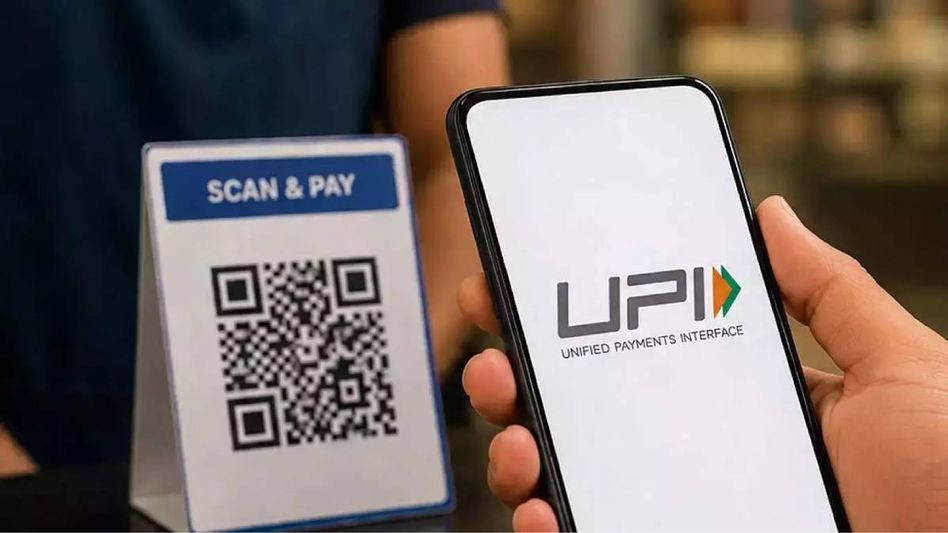
IIE Digital Desk: A new debate has erupted in India over the charging of fees on Unified Payments Interface (UPI) transactions, as the Lok Sabha approved a bill that could establish statutory basis for implementing Merchant Discount Rate (MDR) on digital payments.
The proposal to implement the scheme has prompted Finance Minister Nirmala Sitharaman to clarify that ordinary UPI users won't be charged any fees. If MDR were to be implemented, it would impact merchants rather than consumers.
After Parliament made an effort to amend current regulations concerning digital payment methods, the controversy arose. This change would remove legal barriers currently in place that block banks and payment service providers from charging some or all of the above-mentioned fees on UPI transactions. The fact is, there has never been imposed a fee. Instead, it gives the government the legal power to create rules about such charges in the future.
What's MDR?
A fee for processing digital payments is known as MDR or Merchant Discount Rate. A new UPI model, which involves an MDR that allows merchants to pay a fee to banks or payment service providers who are involved in processing the transaction, should be reconsidered by Sitharaman. He has stressed that this approach is not meant to require consumers to make payments for every one of these transactions. The clarification she provided was made after Congress leader Jairam Ramesh expressed doubts that the proposed changes could result in higher UPI payments for regular Indian taxpayers.
Why does government is making changes?
While UPI is still a free payment method in India, it has gained immense popularity as compared to other digital payment methods. Maintaining the infrastructure necessary to process the country's massive digital transaction volume can be a costly endeavor for both payment companies and banks.
These changes may facilitate the creation of a system that will provide payment service providers and banks with greater compensation for processing specific transactions. Industry discussions have explored models that may be aimed at specific merchant categories or larger-value transactions, but no definitive fee structure has been established.
While recognizing UPI as an essential public digital infrastructure, the Reserve Bank of India has stressed the need to consider the funding sources for UPD (urban mobility investment). The newest legislative modification establishes an environment for potential future regulations, but any concrete MDR and its reach would require additional government actions.
Despite the changes being discussed in Parliament, government officials are now clarifying that they will not be charging for users who use India's most popular online payment method.
You might also like!