India Crash Out of Asia Cup After Shock Defeat, Whose Shoulders Did Captain Tilak Varma Place the Blame On?
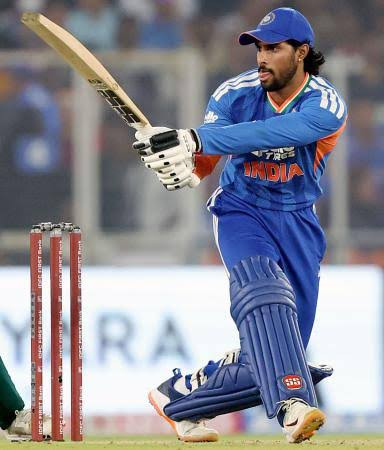
New Delhi, November 27: The Scoring a massive 317 runs and still losing a cricket match is a disappointment few teams would want to experience. India A suffered exactly that fate in the semi-final of the Asia Cup Rising Stars 2026, crashing out of the tournament after a humiliating eight-wicket defeat against Sri Lanka. Despite putting up an imposing total, the Indian bowlers failed to defend it as two Sri Lankan opening batters produced sensational centuries to guide their team into the final. Following the defeat, India A captain Tilak Varma openly acknowledged the bowling unit's failure and admitted that the team needed serious introspection.
The semi-final encounter began with India A facing early trouble after losing three quick wickets. The top order failed to provide the expected start, putting the team under considerable pressure. However, the middle order responded brilliantly and ensured that India recovered from the difficult situation. Captain Tilak Varma, opener Abhishek Sharma and all-rounder Shahbaz Ahmed scored impressive half-centuries, providing stability and momentum to the Indian innings. Young opener Vaibhav Suryavanshi also made a valuable contribution with 40 runs.
The combined efforts of the Indian batters helped the team recover from its early setbacks and post a formidable total of 317 runs for eight wickets in the allotted overs. Considering the relatively slow nature of the pitch, the total appeared competitive enough to put Sri Lanka under significant pressure. India A seemed to have given its bowlers a strong platform from which to defend the target and secure a place in the tournament final.
The second innings turned into a nightmare for the Indian bowling attack. Chasing a challenging target of 318 runs, Sri Lanka's opening pair of Lasith Croospulle and Sineth Jayawardene launched an extraordinary assault from the very beginning. The Indian fast bowlers struggled to make an impact with the new ball, while the spinners also failed to control the scoring rate.
The Sri Lankan opening partnership completely changed the complexion of the contest. Instead of building pressure through regular breakthroughs, the Indian bowlers allowed the opposition batters to dominate almost every phase of the innings. Croospulle and Jayawardene displayed remarkable confidence, combining aggressive stroke play with excellent shot selection to dismantle India's bowling plans.
The opening duo added a massive 174 runs for the first wicket, putting Sri Lanka firmly in control of the chase. Lasith Croospulle played a magnificent innings of 116 runs off 107 deliveries, while Sineth Jayawardene produced an even more explosive performance, scoring 105 runs from just 70 balls. Their centuries effectively ended India's hopes of making it to the final.
With the required run rate comfortably under control, Sri Lanka continued to dominate the chase and eventually reached the target of 318 with just two wickets down. The eight-wicket victory sealed their place in the final, while India A's campaign came to an unexpected end despite scoring more than 300 runs.
The match, captain Tilak Varma did not shy away from acknowledging the opposition's outstanding performance. He praised the two Sri Lankan openers but admitted that his bowlers had failed to execute the team's plans.
Giving his assessment of the defeat, Tilak said, "Credit must certainly go to Sri Lanka. Both their openers played exceptionally well. I used all the bowling options available to me, but it simply wasn't our day."
Explaining the strategy behind India's bowling plans, Tilak revealed that the first 15 overs were considered crucial. The team had hoped to restrict Sri Lanka to a scoring rate of six runs per over or less during that period. According to him, keeping the scoring rate under control would have created pressure on the opposition and allowed India to take advantage of the slower nature of the pitch during the later stages.
The Indian bowling unit failed to implement that strategy effectively. Sri Lanka's aggressive opening partnership meant that the pressure gradually shifted entirely onto India, leaving the bowlers struggling to find a breakthrough.
Tilak also defended the efforts of his batters, pointing out that recovering from the loss of three early wickets and reaching 317 runs was a significant achievement. He believed that the total was competitive and should have provided the bowling attack with a genuine opportunity to defend the target.
Praising the batting unit, the India A captain said that the team had fought back impressively after its early setbacks. However, he made it clear that the bowling department needed considerable improvement. He added that the team would have to conduct a detailed assessment of its shortcomings, both inside the dressing room and after returning home.
The defeat has raised serious questions about India's bowling performance, particularly its inability to break partnerships against an aggressive batting side. While the batters fulfilled their responsibility by posting a huge total, the bowling unit failed to deliver when it mattered most.
India A, the Asia Cup Rising Stars 2026 campaign has ended in bitter disappointment. Sri Lanka, meanwhile, will enter the final with considerable confidence after chasing down a 318-run target with remarkable ease.
The biggest talking point after the match is no longer India's impressive batting recovery but the extraordinary collapse of its bowling plans. As Tilak Varma admitted, the team has plenty to analyse before its next assignment. A total of 317 should have been enough to create a serious contest, but Sri Lanka's two centurions ensured that India's hopes ended in the semi-final itself.
You might also like!