More Than Nostalgia: Why Kolkata Is Fighting to Keep Its Iconic Trams Alive
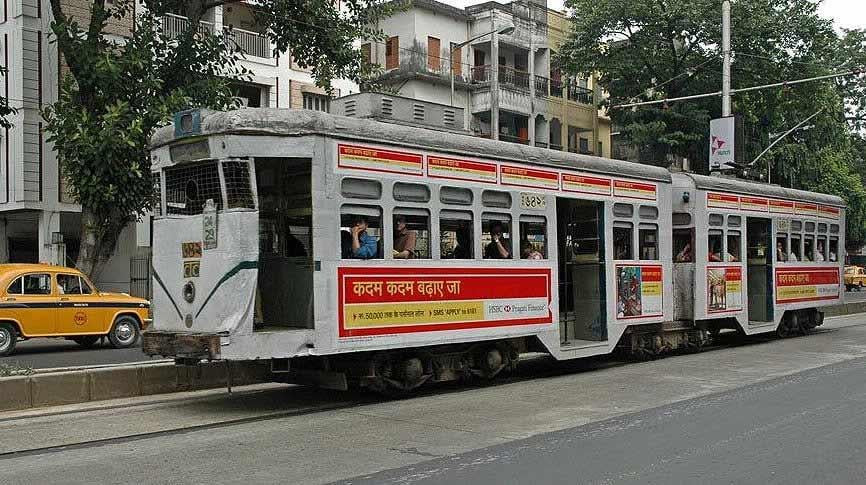
IIE Digital Desk: The trams, which were once considered a faded symbol of Kolkata's history, are now making reemerging public eyes as citizens, heritage enthusiasts, and environmental activists struggle to preserve one another' in the city. This is a growing demand to revive and maintain tram services, reflecting an overall conversation about greener urban transport (including public transportation systems), cultural heritage, and Kolkata's unique character.
The daily life of Kolkata has been shaped by trams for many years.' Introduced in the 19th century, they transformed the way people travelled throughout the city and became synonymous with its character. The gradual reduction in the number of tram routes due to declining ridership, traffic congestion, and shifting transportation priorities has raised concerns about the potential for the historic tram network to disappear entirely. However, the debate over Kolkata's tram system is no longer based on nostalgia. Why did they become so important? Urban planners and environmentalists assert that trams have practical benefits in keeping with the lifestyle of modern cities. Electric vehicles, which are more efficient than conventional road transport, emit less pollution and can aid in promoting cleaner urban transportation. The trams of Kolkata are gaining popularity as an effective means of reducing pollution and carbon emissions, coinciding with the increasing demand for sustainable alternatives to other cities around the world.
Advocates also highlight the tram's historical significance.. In India, Kolkata is the only city where trams still operate, serving as a testament to the city's rich colonial heritage and cultural roots. To preserve the network, they maintain that it's not only about preserving an outdated transportation system but also about safeguarding a special part of Kolkata's identity that cannot be replicated elsewhere. The fight to revive trams has been propelled by public campaigns and social media efforts. The system is not being cut, and many people believe that it should be modernized by improving infrastructure, passenger comfort, as well as integrating tram services with other public transportation options. It is argued that these steps could enhance the efficiency of trams while maintaining their historical significance.'
Support for the network is also fueled by tourism. The attraction of trams to tourists is a testament to their authentic Kolkata character. The system's ability to generate revenue and draw tourists has been demonstrated through heritage tram rides, themed journeys, and cultural events hosted on trams.
However, critics highlight operational issues such as slow speeds and high maintenance costs, as well as the limited road space in a rapidly congested city. The argument is made that the development of faster transportation systems could enhance the well-being of Kolkata's expanding population. Nonetheless, proponents maintain that modernization is the better option than abolishment. As discussions about the future of the tram network continue, one realization emerges: Kolkata's love for its trams goes beyond mere sentimentality. A significant number of locals view the trams as a unique blend of tradition, sustainability, and civic pride. Not only as a mark of appreciation for their heritage but also as an investment in the city's sustainability and cultural identity, they are preserved.
The trams of Kolkata serve as a reminder that in an urban environment with significant changes, both growth and tradition can be sustained on the same route.
You might also like!