
Indian Crew Hit in Strait of Hormuz: Missile Strike Claims One Life & Injures Six
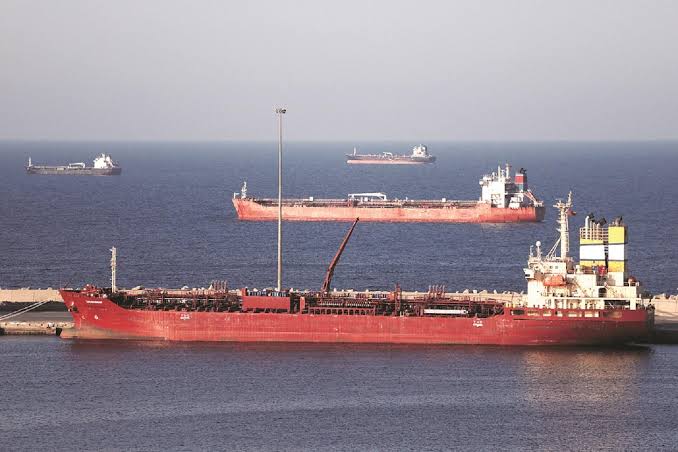
IIE DIGITAL: An Indian crew member was killed and eight others were injured after two United Arab Emirates oil tankers were struck by Iranian cruise missiles in the Strait of Hormuz on Tuesday, marking a sharp escalation in tensions across one of the world's most strategically important maritime corridors.
The UAE Ministry of Defence said the tankers, Mombasa and Al Bahiyah, were sailing through the southern shipping lane in Omani territorial waters when they came under missile attack. The deceased Indian sailor was serving aboard the Mombasa.
Of the eight injured crew members, four remain in critical condition. The ministry identified six of the injured as Indian nationals and two as Ukrainian nationals. Rescue teams responded swiftly, evacuating the injured and securing the vessels.
The strikes triggered fires on both tankers, causing substantial damage to the ships. However, emergency crews managed to bring the fires under control by preventing the situation from worsening.
Strongly condemning the incident, the UAE described the missile strike as a "blatant attack" and declared that it reserves the right to respond to the latest act of aggression. Officials also stressed that the country's defence forces remain on high alert and are fully prepared to protect its territorial integrity, maritime interests and national security.
The Strait of Hormuz, a critical gateway for global oil exports, has increasingly become a flashpoint for regional conflict, with the latest attack raising fresh concerns over the safety of commercial shipping and international energy supplies.
In a separate development, the United Kingdom Maritime Trade Operations (UKMTO) reported that another tanker travelling about 40 nautical miles northeast of Oman's Qalhat was hit by an unidentified projectile. The vessel's master said the impact damaged the starboard-side engine room, though all crew members escaped unharmed.
The back-to-back maritime incidents are likely to intensify global attention on security in the Gulf, as governments and shipping operators assess the risks of further attacks in one of the world's busiest energy transit routes.
You might also like!