Can You Eat Ice Cream When You Have a Cold? Here’s What Doctors Say

IIE DIGITAL DESK ; Many people believe that ice cream and other cold foods should be completely avoided whenever they develop a cold, cough or fever. The common assumption is that consuming something cold could increase mucus production, worsen coughing or allow a viral infection to become more severe. However, doctors say there is no general rule that people suffering from a cold must stop eating cold foods.
People who are prone to seasonal allergies and respiratory discomfort often experience repeated sneezing, a runny nose and coughing whenever the weather changes. Such symptoms can become particularly uncomfortable during the warmer months when a person develops a cold or fever. This often raises the question of whether it is safe to have ice cream or cold drinks during such an illness.
According to internal medicine specialist Dr Basavaraj S Kumbhar, having a cold does not automatically mean that ice cream or other cold foods need to be eliminated from the diet. There is no established link between eating ice cream or drinking cold beverages and an increase in the severity of a viral infection.
However, individual reactions can vary. Some people may experience throat irritation after consuming ice cream or cold drinks. They may notice increased throat discomfort, a tickling sensation or coughing after having such foods. In such cases, avoiding cold beverages and desserts until the symptoms settle may be more comfortable.
For people who do not experience any such discomfort, there is no general reason to completely avoid ice cream simply because they have a cold. The important factor is how the individual's body responds to the food rather than the temperature of the food itself.
Another common belief is that milk and dairy products increase mucus production in the body. However, Dr Kumbhar points out that there is no strong scientific basis for the idea that dairy products automatically cause excess mucus. The sensation some people experience after consuming dairy may instead be related to the texture of the food or individual sensitivity.
Ice cream itself contains milk fat and sugar. During digestion, the body begins breaking down the nutrients and producing heat as part of the metabolic process. This process is known as diet induced thermogenesis. As a result, the cooling sensation experienced immediately after eating ice cream is generally temporary and does not mean that the food is actually lowering the body's internal temperature.
The situation is somewhat different with cold drinks or chilled water. The cooling sensation is mainly felt around the mouth and throat and does not have a significant cooling effect on the body's core temperature. However, sugary cold drinks can contribute additional calories and may not be an ideal choice when consumed frequently. Their sugar content is a more relevant dietary concern than any supposed effect on mucus production.
Therefore, people suffering from a cold do not necessarily have to completely give up ice cream or cold drinks. If consuming them does not cause throat irritation, coughing or any other discomfort, they may be consumed occasionally. On the other hand, if cold foods clearly make symptoms worse, it is better to avoid them until the throat and respiratory symptoms improve.
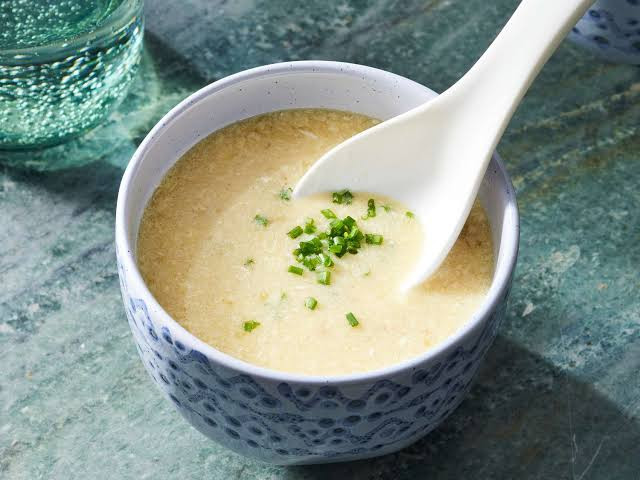
During a cold or cough, maintaining adequate hydration remains important. Warm or lukewarm beverages can be soothing for an irritated throat, while soups and plenty of fluids can help maintain hydration. Steam inhalation may also provide temporary relief from nasal congestion for some people, although it should be done carefully to avoid burns.
Ultimately, the decision to eat ice cream during a cold depends largely on individual tolerance. A cold itself does not make ice cream inherently harmful, nor does eating a cold dessert mean that a viral infection will automatically become worse. However, people should pay attention to their symptoms and avoid foods or drinks that clearly trigger additional throat irritation or coughing.
For those dealing with fever, persistent cough, breathing difficulty or symptoms that are severe or prolonged, medical advice should be sought rather than relying only on dietary changes. Proper rest, hydration and appropriate medical care remain more important than whether a particular food is served hot or cold.
You might also like!