Cooking

44 minutes ago

The Pani Puri Mystery: Is Draupadi Really Behind the Iconic Indian Snack?
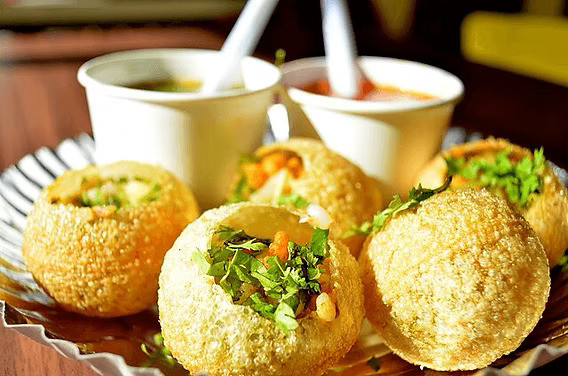
Draupadi and the Pani Puri Tale


IIE DIGITAL: Few street foods in India have achieved the legendary status of pani puri. From bustling city lanes to small-town markets, the tiny burst of flavour has become a national favourite, with different regions proudly claiming their own versions and stories. But beyond its popularity lies a fascinating question — does this iconic snack have a connection with Draupadi, the legendary figure from the Mahabharata?

One of the most widely shared tales links the creation of pani puri to Draupadi’s remarkable presence of mind during the Pandavas’ years of exile. According to a popular retelling in Amar Chitra Katha, the newly married Draupadi was once presented with a challenge by Kunti, her mother-in-law. She was given only a small amount of leftover potato preparation and limited wheat dough, with the expectation that she would prepare food enough for all five Pandava brothers.

Instead of being discouraged by the shortage, Draupadi is believed to have transformed the limited ingredients into something extraordinary. She divided the dough into tiny portions, shaped them into small hollow pieces, fried them until crisp and filled them with the available potato mixture. What appeared to be an impossible task became a creative solution that could feed the entire family.

The legend says Kunti was amazed by Draupadi’s resourcefulness and blessed the creation with enduring fame. Centuries later, pani puri’s unmatched popularity among food lovers is often linked to this charming mythological story.

However, food historians offer another perspective on the snack’s origins. Many believe pani puri evolved from an ancient preparation known as phulki, which is associated with the Magadha region, present-day Bihar. Unlike the Draupadi legend, this version traces the dish’s journey through gradual culinary development rather than the imagination of a single creator.

The early form of phulki is believed to have featured small, crispy fried shells, though details about its original fillings remain uncertain. Over generations, the snack travelled across different parts of the country, absorbing local flavours and taking on new identities.

Today, the same beloved snack is celebrated under different names — golgappa in northern India, puchka in West Bengal, gup chup in Odisha and batashe in parts of Uttar Pradesh. Each region has added its own twist, making pani puri a symbol of India’s diverse culinary traditions.

Whether its roots lie in an ancient legend involving Draupadi or in the evolving food culture of Magadha, pani puri remains a timeless favourite. Its journey from folklore and history to modern street corners reflects India’s unique ability to blend stories, traditions and flavours into one unforgettable experience.

You might also like!