Slight Improvement in Delhi's Air Quality, but Thick Smog Continues to Blanket the Capital
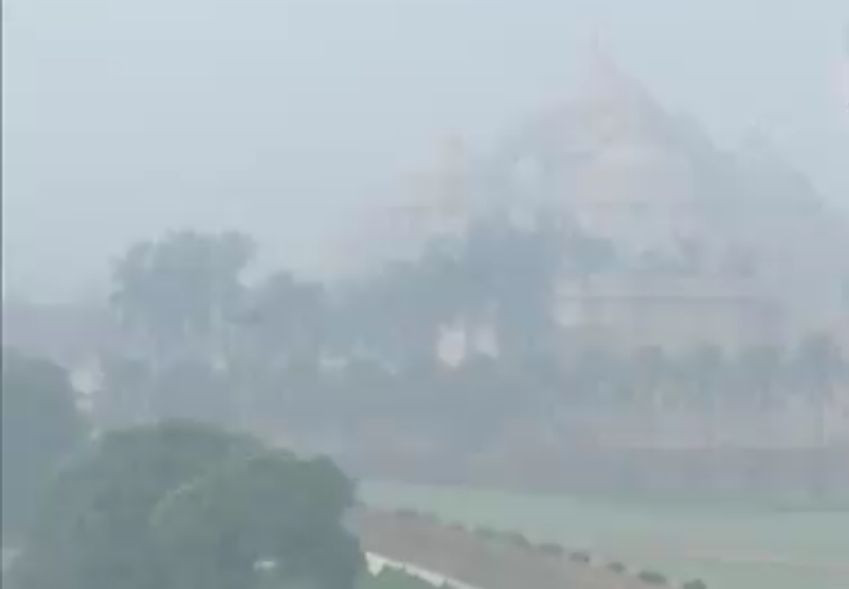
IIE DIGITAL DESK ; New Delhi, November 27: Delhi witnessed a marginal improvement in air quality on Friday morning after pollution levels had climbed to alarming levels during the previous night. The relief remained limited, as a layer of light to moderate smog continued to cover several parts of the national capital, raising concerns over the persistent pollution situation. According to the latest air quality readings, Delhi's overall Air Quality Index (AQI) stood at 239 at around 8:40 am on Friday, placing it in the 'poor' category.
The latest reading marked a considerable improvement compared with the 'very poor' and 'severe' pollution conditions reported during the night, the city's air quality remained far from satisfactory. Residents continued to experience hazy conditions in several locations, while reduced visibility and suspended particulate matter contributed to the persistent smog across the capital.
Data released by the Central Pollution Control Board (CPCB) indicated considerable variations in pollution levels across different parts of Delhi during the early morning hours. While some prominent locations continued to record poor air quality, several other areas experienced relatively better conditions, with their AQI readings falling within the 'moderate' category.
CPCB monitoring data, the ITO area recorded an AQI of 287 at around 5:50 am, placing it firmly in the 'poor' category. The reading highlighted the continued presence of significant pollution in this part of the capital.
The area surrounding the All India Institute of Medical Sciences (AIIMS) recorded an AQI of 192 at approximately 6:40 am, indicating moderate air quality. Connaught Place also witnessed relatively better conditions, with its AQI standing at 155 at around 6:30 am.
The air quality situation was comparatively better around India Gate and Kartavya Path, where an AQI of 126 was recorded at approximately 6:20 am. These variations suggest that pollution levels were not uniform across the city, with certain locations experiencing considerably higher concentrations of pollutants than others.
Environmental experts and meteorologists attributed the sudden deterioration in air quality during Thursday night to falling temperatures and extremely slow wind speeds. When wind movement becomes weak, pollutants released from vehicles, industrial activities, construction sites and other sources tend to remain trapped close to the ground instead of dispersing into the atmosphere.
The drop in night-time temperatures can further aggravate the situation by creating atmospheric conditions that restrict the vertical movement of air. As a result, pollutants and suspended particulate matter accumulate near the surface, contributing to the formation of smog and worsening overall air quality.
Friday morning, the situation showed some improvement as sunlight gradually spread across the city. The rise in daytime temperatures and changing atmospheric conditions may have contributed to the temporary improvement in pollution readings. However, the presence of airborne dust and other fine particles prevented the smog from disappearing completely.
The marginal improvement, the pollution situation remains a matter of concern for Delhi residents, particularly children, elderly people and individuals with respiratory or other health vulnerabilities. Prolonged exposure to poor air quality can cause breathing difficulties, throat irritation and other health complications.
The latest readings offer some relief after the alarming pollution levels recorded overnight, but they do not indicate that Delhi has overcome its air pollution problem. With winter conditions gradually strengthening, falling temperatures and weak wind movement could continue to create favourable conditions for pollutant accumulation.
The national capital remains under a blanket of haze, with residents waiting for more sustained improvement in air quality. The latest development once again highlights the challenges Delhi faces in tackling winter pollution, when unfavourable weather conditions combine with existing emission sources to make the city's air increasingly difficult to breathe.
You might also like!