SC Refuses Fast-Track Hearing on Alleged Police Excesses During Delhi Protest
IIE Digital Desk: The Supreme Court refused Wednesday to order an immediate hearing on a petition that alleges rampant police action during southeastern New York's student demonstration last week. A bench led by Chief Justice of India (CJI) Surya Kant declined to intervene immediately in the case. The verdict was harsh and repressed.
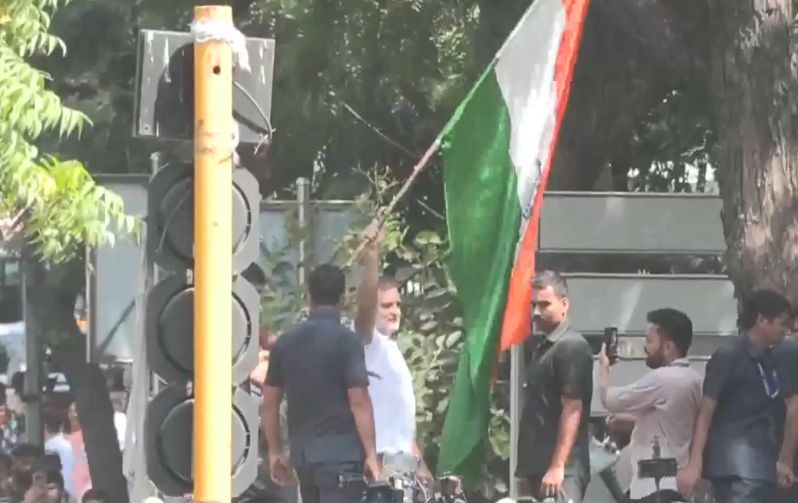
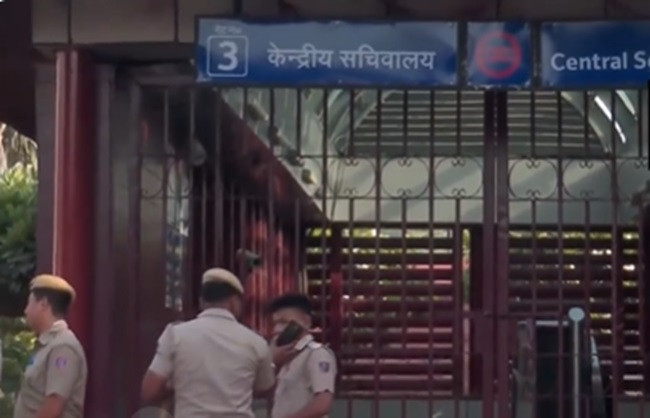
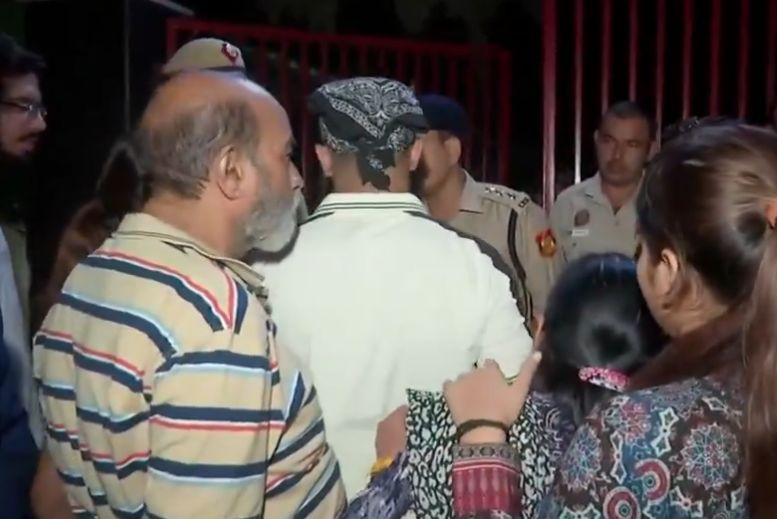
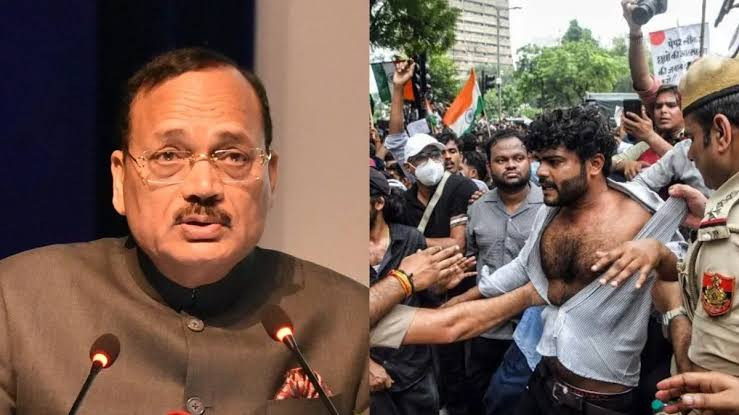
Students organized protests in response to concerns about paper leaks and alleged examination irregularities, which were also mentioned in the petition. According to reports, thousands of demonstrators in Delhi attempted to cross the Parliament House but were confronted by security forces during their march. The police were accused of using excessive force to disperse the crowd following the clashes, according to some students and activists.
The protesters asked for immediate judicial intervention, as they claimed that video footage showed police brutality during the demonstration. Despite their argument of seeking immediate action on the matter, they requested an expedited hearing. However, the bench wasn't convinced by the urgency plea. During the proceedings, the Chief Justice reportedly stated that the court was not inclined to review video evidence and rejected the request for immediate listing. The bench cautioned counsel against requesting an immediate hearing, instead instructing the case to proceed with normal court proceedings.
The protestors asserted that the police action was a violation of students' democratically elected right to protest. They contended that the purported use of force was a matter of great concern and warranted prompt judicial examination.
Students who participated in the protests earlier this week demanded answers regarding what they consider to be irregularities within competitive examinations and called for changes in our education system. The situation escalated when the authorities prevented the protesters from approaching Parliament, leading to clashes between police and demonstrators.
The Delhi High Court had also refused to hear a similar plea concerning the same incident, leading to the Supreme Court's decision. The rulings of both courts have initiated deliberations on the appropriate method for handling allegations related to public demonstrations under the law. Additionally, the matter has generated political contentious matters. Opposition parties have accused the authorities of suppressing dissent and "acting harshly" against students, while government supporters have defended their police response, saying that it was necessary to maintain public order during such large-scale demonstrations.
Specifically, the Supreme Court chose not to address whether the claims in the petition were valid. Rather than accepting the request for an urgent hearing, it decided to leave the substantive issues to be considered in the ordinary course of legal proceedings.
In the process, political leaders and civil society groups as well as student organisations continue to take center stage in the controversy. The event has reignited discussions about the appropriateness of protesting, the role of law enforcement agencies, and the nature of judicial jurisdiction in handling cases of excessive force during public protests.
You might also like!