Kiren Rijiju Welcomes Passage of Anti-Question Paper Leak Bill in Both Houses of Parliament
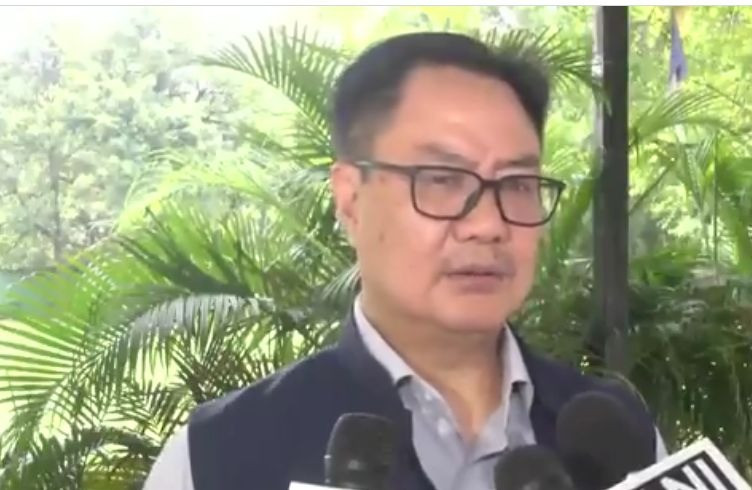
IIE DIGITAL DESK ; New Delhi, July 31: Union Parliamentary Affairs Minister Kiren Rijiju has expressed satisfaction over the passage of the Anti-Question Paper Leak Amendment Bill, 2026, in both Houses of Parliament, describing it as a significant step towards safeguarding the future of students and strengthening the integrity of India's examination system. Speaking to reporters on Friday morning, Rijiju said the legislation received the support of an overwhelming majority of Members of Parliament and that any opposition to the Bill was driven more by political considerations than by genuine objections to its provisions.
The media, Rijiju said, "The Bill aimed at preventing the leakage of examination question papers has been passed with the support of the majority of Members of Parliament. In reality, there was no substantial opposition to the legislation. Whatever differences of opinion were expressed appeared to be politically motivated. Everyone understands the seriousness of the issue of education, particularly the problem of examination paper leaks, and all stakeholders are concerned about protecting the credibility of the examination system."
The minister said the government considers the issue of examination paper leaks to be one of national importance, as such incidents not only undermine the fairness of competitive examinations but also affect the aspirations and hard work of millions of students across the country. He noted that the passage of the Bill reflects Parliament's collective commitment to ensuring greater transparency, accountability, and security in the conduct of public examinations.
Rijiju further expressed hope that all political parties would continue to cooperate in ensuring the smooth functioning of Parliament so that other important legislative business could also be completed without unnecessary disruptions. According to him, the government's immediate priority is to implement the newly passed legislation at the earliest in order to provide stronger legal safeguards against examination paper leaks and to protect the interests of students.
"We hope everyone will cooperate in ensuring the smooth functioning of Parliament. Our foremost priority now is to bring this Bill into force as quickly as possible in the interest of safeguarding the future of students. There are several other important Bills that are also part of the legislative agenda. I appeal to the Opposition parties that while they are fully entitled to raise the issues they consider important, it would be beneficial for everyone if they do not disrupt the passage of Bills, the Question Hour, or other essential parliamentary proceedings," Rijiju said.
The minister reiterated that healthy debate and discussion are integral to parliamentary democracy, but stressed that legislative work should not be hampered by repeated disruptions. He maintained that Parliament must continue functioning effectively to address issues of public importance and enact reforms that directly benefit citizens.
The Anti-Question Paper Leak Amendment Bill, 2026, completed its parliamentary journey after being passed by the Lok Sabha through a voice vote and subsequently receiving approval from the Rajya Sabha on Thursday night. With the Bill now cleared by both Houses, the government is expected to move swiftly towards its implementation after completing the remaining constitutional and procedural formalities.
The legislation has been introduced against the backdrop of growing concerns over repeated incidents of examination paper leaks in various competitive and recruitment examinations across the country. The government has maintained that the new law is intended to strengthen the legal framework against organised examination-related malpractice, ensure strict accountability for offenders, and restore public confidence in the examination process.
Expressing confidence in the significance of the legislation, Kiren Rijiju said the government's primary objective is to protect the future of students and uphold the credibility of India's education and recruitment systems through stronger legal and institutional measures.
You might also like!