If We Turn Rivers into Dustbins, Humanity Will Have to Face the Consequences: C R Patil
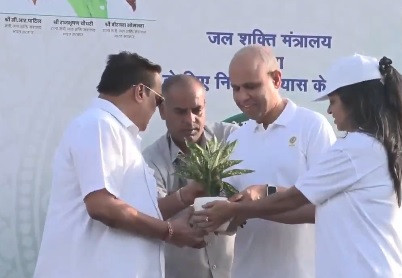
IIE DIGITAL DESK ; New Delhi, October 1: Union Jal Shakti Minister C R Patil has expressed serious concern over the growing problem of river pollution and urged people to become more conscious and responsible about keeping the country's water bodies clean. Patil made the appeal while participating directly in a special cleanliness and voluntary labour drive organised by the Union Ministry of Jal Shakti at Kalindi Kunj Ghat in the national capital on Thursday morning.
The cleanliness campaign was organised as part of the ministry's ‘Continuous Efforts for Cleanliness’ initiative. The programme focused on encouraging public participation in cleanliness activities and highlighting the importance of protecting rivers and other water resources from pollution.
Taking part in the cleanliness drive along the banks of the Yamuna, Patil joined volunteers and other participants in carrying out the cleaning activities. After taking part in the campaign, the Union Minister spoke to reporters and underlined the close connection between clean surroundings and the availability of safe and healthy water.
Patil said that cleanliness and water cannot be viewed as separate issues. According to him, maintaining cleanliness around people and communities must go hand in hand with efforts to keep the country's rivers clean. He stressed that protecting rivers requires sustained efforts rather than occasional campaigns.
“Cleanliness can never be separated from water. Along with keeping our surroundings clean, we must also ensure that the rivers of the country remain clean,” Patil said.
The Union Minister also issued a strong message against the practice of indiscriminately dumping waste into rivers. He warned that treating rivers as dumping grounds could have serious consequences for human life and public well-being.
“If we continue to consider rivers as dustbins and keep throwing waste into them, the rivers will never become clean. The harmful consequences of this will directly affect human life,” Patil said.
The minister's remarks came during the cleanliness campaign on the Yamuna, one of the country's most significant rivers and a major focus of efforts to tackle water pollution in the national capital. The programme sought to reinforce the message that maintaining the health of rivers cannot be achieved solely through government action and requires active participation from citizens as well.
Patil placed particular emphasis on the role of public awareness in keeping rivers free from pollution. He called for people to take greater responsibility for the waste they generate and to avoid disposing of garbage directly into rivers and other water bodies.
He also stressed the need for voluntary and spontaneous public participation in efforts to restore and maintain the cleanliness of rivers. According to the minister, long-term improvement in the condition of rivers will depend not only on government initiatives but also on changes in public behaviour and greater awareness among citizens.
The cleanliness drive at Kalindi Kunj Ghat therefore served as both a practical exercise and a public awareness initiative, highlighting the importance of collective responsibility in protecting water resources. By participating personally in the campaign, the Union Minister sought to reinforce the message that cleanliness of rivers and protection of water resources are closely linked to the health and well-being of society.
The minister's appeal also highlighted the wider environmental consequences of river pollution. When waste is continuously dumped into rivers, the resulting deterioration in water quality can affect ecosystems as well as communities that depend on rivers for various needs. Preventing pollution at its source and encouraging responsible waste disposal are therefore important components of efforts to maintain cleaner and healthier rivers.
Patil urged citizens to treat rivers as valuable natural resources rather than as places for disposing of waste. He emphasised that sustained public awareness, responsible behaviour and active participation will be essential to keeping the country's rivers clean and ensuring that the benefits of clean water and a healthier environment reach future generations.
You might also like!