Heavy Rain Batters Delhi, Waterlogging and Traffic Jams Disrupt Commuters
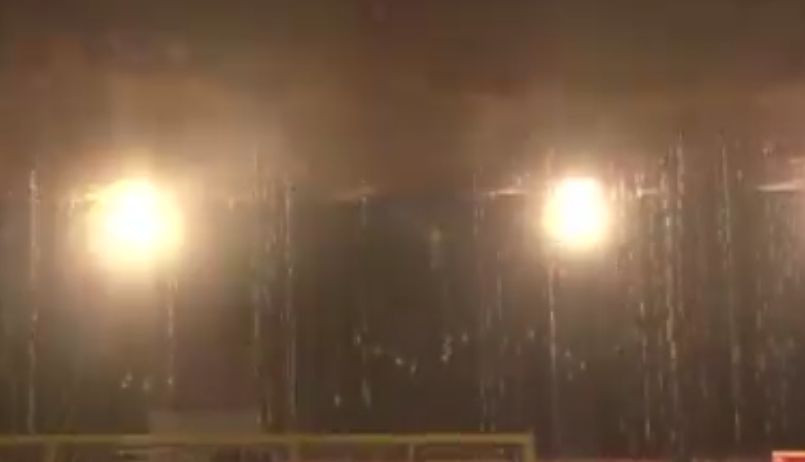
IIE DIGITAL DESK ; New Delhi, October 12: The national capital witnessed another spell of heavy rainfall on Monday morning, leaving several areas waterlogged and causing considerable inconvenience to commuters at the beginning of the week. Torrential showers from the early hours of the day disrupted traffic movement across multiple parts of Delhi, with water accumulating on major roads and in busy neighbourhoods.
Rajokari in South Delhi was among the areas affected by the heavy downpour, as waterlogging on major roads slowed down vehicular movement and led to difficulties for motorists. Several important stretches witnessed sluggish traffic, forcing commuters to navigate through waterlogged roads while making their way to workplaces and other destinations.
Similar conditions were reported from several busy localities in Central and South Delhi. The area surrounding the historic Jhandewalan Temple, near Karol Bagh in Central Delhi, also experienced waterlogging following the intense rainfall. The accumulation of rainwater caused inconvenience to devotees visiting the temple as well as local residents and pedestrians attempting to move through the area.
In South Delhi, the popular Kalkaji Temple locality and adjoining roads were also affected by the heavy showers. Waterlogging in these areas added to the difficulties faced by commuters and pedestrians, further complicating movement across the capital during the morning rush.
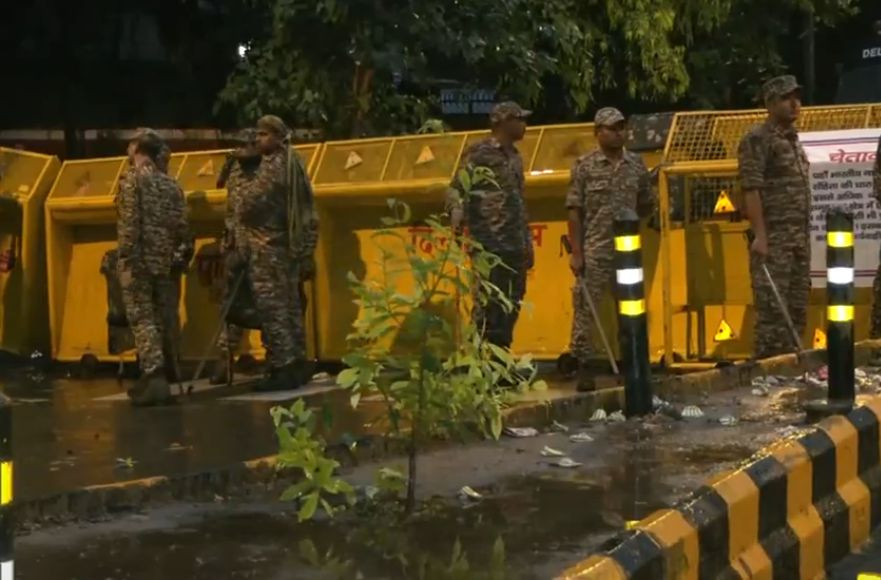
The rainfall came at a particularly inconvenient time for Delhi residents, as the city was already dealing with traffic restrictions and disruptions to public transport in connection with a scheduled protest march by the INDIA bloc. Six major metro stations in Central Delhi were reported to have been closed since the morning as part of the security arrangements, while traffic movement was being regulated in several areas.
The combination of heavy rainfall, waterlogged roads, traffic restrictions and metro station closures dealt a double blow to the city's daily commuters. Office-goers, students, local residents and other travellers faced additional challenges in reaching their destinations, with the disruption affecting both road traffic and public transport connectivity.
The latest spell of rainfall once again highlighted the difficulties faced by Delhi during intense showers, particularly in areas where rainwater accumulates on major roads and around heavily frequented public places. Waterlogging can significantly slow down traffic movement, increase travel time and create difficulties for pedestrians, especially during peak commuting hours.
Municipal authorities and traffic police personnel were engaged in efforts to address the situation. Teams were working to facilitate the drainage of accumulated rainwater and restore smoother traffic movement in affected areas. Traffic personnel were also attempting to manage congestion and assist commuters as the city dealt with the impact of the downpour.
With several key localities affected by waterlogging and transport restrictions already in place, the start of the week proved particularly challenging for Delhi residents. The immediate priority remained the removal of accumulated rainwater and the restoration of normal traffic movement across the affected stretches of the national capital.
You might also like!