Shamik Bhattacharya Writes to Suvendu Adhikari Proposing Chemical Park in West Bengal
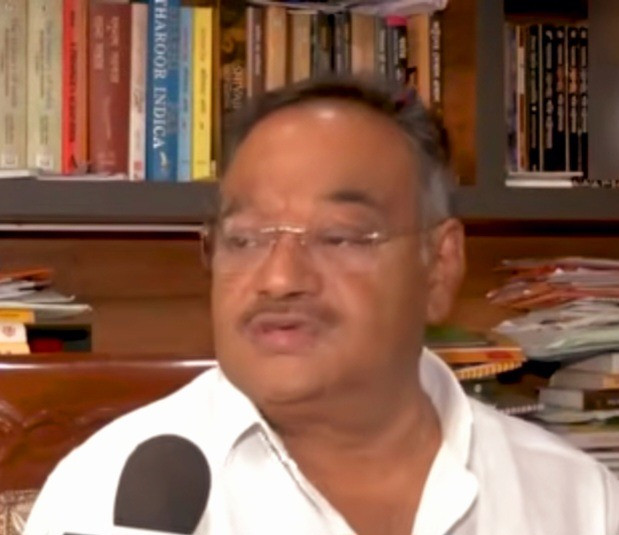
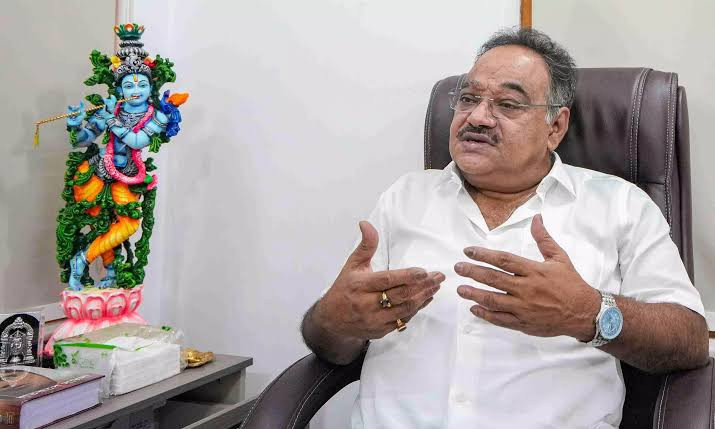
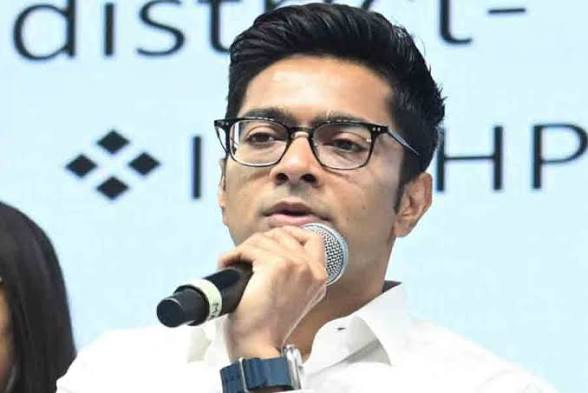
Kolkata | July 30 : Bharatiya Janata Party (BJP) West Bengal President and Rajya Sabha MP Shamik Bhattacharya has written to Chief Minister Suvendu Adhikari, urging the state government to take advantage of the Centre's 'Bharat Shilpa Vikas Yojana Rasayan' (BHAVYA-Rasayan) scheme for the establishment of a chemical industrial park in West Bengal. The proposal, which became public on Thursday, recommends Singur as the preferred location for the project while also suggesting several other industrial regions for consideration.
In his letter, Bhattacharya emphasized that the state should make full use of the Central Government's initiative aimed at strengthening India's chemical manufacturing sector by developing world-class industrial infrastructure. He argued that setting up a chemical park in West Bengal would attract fresh investments, generate large-scale employment opportunities, strengthen industrial growth, and significantly contribute to the state's economic development.
The BJP leader specifically proposed Singur as a suitable location for establishing the chemical industrial hub, citing its strategic location and industrial potential. At the same time, he suggested that the state government should also consider Haldia, Raghunathpur, and Durgapur as possible sites for the proposed chemical park due to their existing industrial ecosystems and infrastructure.
According to Bhattacharya, these locations possess the necessary advantages to support the development of a modern chemical manufacturing cluster and could emerge as major centres for industrial production under the Central Government's new scheme.
The proposal comes after the Union Cabinet, chaired by Prime Minister Narendra Modi, approved the establishment of three chemical industrial park projects across the country. The initiative was originally announced in the Union Budget for the financial year 2026-27 as part of the government's broader strategy to strengthen domestic manufacturing, promote investment, and reduce import dependence in the chemical sector.
Under the BHAVYA-Rasayan programme, the Central Government has earmarked a total financial outlay of ₹3,030 crore. Out of this amount, ₹3,000 crore has been allocated for developing common infrastructure, industrial facilities, and essential public utilities within the chemical parks, while the remaining ₹30 crore has been set aside for administrative expenses associated with implementing the scheme.
The project is scheduled to remain operational for a five-year period, beginning in the financial year 2026-27 and continuing until FY2030-31. During this period, the selected states are expected to develop integrated chemical manufacturing parks equipped with modern infrastructure, logistics facilities, environmental management systems, and common industrial services.
In his communication to the Chief Minister, Shamik Bhattacharya underlined the importance of ensuring that West Bengal secures a place among the states selected for the ambitious Central Government initiative. He maintained that participation in the scheme would help revive industrial investment in the state while creating new opportunities for manufacturing, employment, and regional economic growth.
The proposal is also being viewed in the context of Singur's long-standing association with industrial development debates in West Bengal. By recommending Singur as the preferred location, Bhattacharya has once again brought the region into discussions surrounding large-scale industrialisation and investment.
The letter reflects the BJP leadership's push to encourage greater utilisation of Central Government industrial development schemes within West Bengal. If the proposal is accepted and the state succeeds in securing one of the approved chemical parks, the project could significantly enhance industrial infrastructure while strengthening West Bengal's position in India's rapidly expanding chemical manufacturing sector.
You might also like!