Beyond Literature: Exploring Rabindranath Tagore’s Fascinating Love for Food
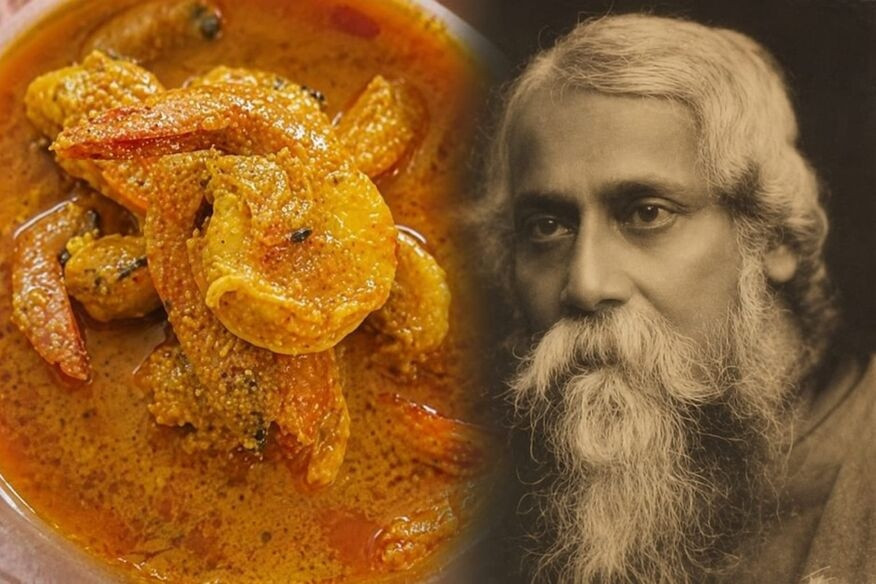
IIE DIGITAL: Rabindranath Tagore is admired across the world for his remarkable contributions to literature, music, art and philosophy. However, another fascinating aspect of his life that deserves attention is his love for food and his unique culinary choices. Just as Tagore celebrated diversity through his creative works, his food preferences also reflected a deep respect for different cultures, traditions and flavours.
For Tagore, food was not just a necessity but an
expression of creativity and cultural exchange. His kitchen represented the
same spirit of openness that shaped his writings. Traditional Bengali recipes
existed alongside international dishes, creating a unique culinary identity
that reflected his belief in harmony and universalism.
Childhood Memories of Food at
Jorasanko
In his memoir “Jibonsmriti” (Reminiscences),
Tagore shared several memories related to food from his childhood at the
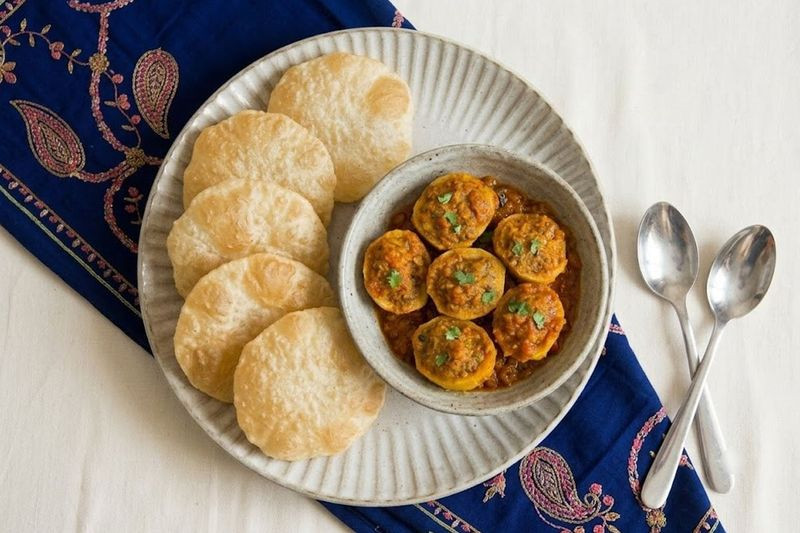
Jorasanko Thakurbari. He recalled how luchi, the popular Bengali
deep-fried bread made from refined flour, was served for breakfast at home.
Tagore remembered a household servant who was assigned to
serve food but was more interested in finishing his duty quickly than caring
for the children’s needs. The servant would place the luchis on their plates
without much enthusiasm and reluctantly ask if they wanted more. When he
realised no further serving was required, he appeared relieved.
Interestingly, one of Tagore’s earliest writings created
when he was around ten years old was also inspired by food. The poem described
a delicious mixture of amshotto (dried mango pulp), milk, banana and
sandesh, reflecting the imagination and food memories of a young Tagore.
He also remembered seeing the women of the Thakurbari
household preparing bori (sun-dried lentil dumplings) and pickles on the
terrace of the Jorasanko mansion. These childhood experiences remained deeply
connected with his understanding of Bengali culinary traditions.
The Thakurbari Kitchen: A
Meeting Point of Cultures
Just like his experiments in literature, music and art,
Tagore’s approach towards food was creative and diverse. He believed in
accepting ideas from different cultures and this philosophy was clearly visible
in the Thakurbari kitchen.
During his travels to England, Spain, Turkey and other
countries, Tagore collected menu cards from various dining events. He later
introduced several foreign recipes and cooking styles into the family kitchen.
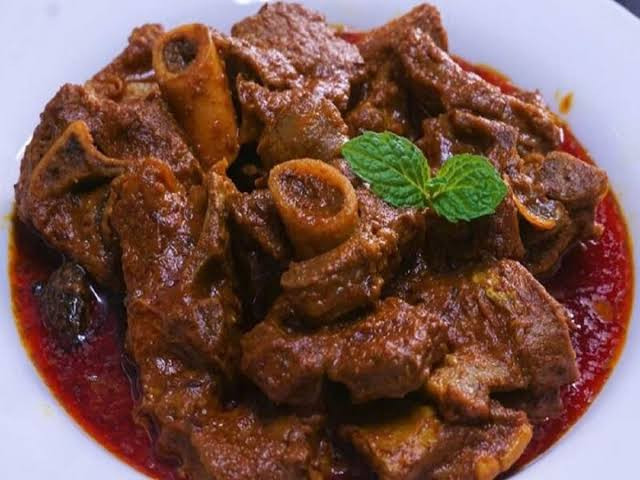
Dishes like salmon with Hollandaise sauce, British pies and Turkish kebabs
became part of the culinary experiments at Jorasanko.
New cooking methods such as baking, roasting and stewing
were also introduced. At the same time, Tagore remained deeply attached to
Bengali cuisine. He loved fish and had a special fondness for sweets.
The Thakurbari kitchen experimented with a wide range of
dishes including macher chorchorri, prawns cooked with yoghurt, fish
prepared with vinegar and tomato-based fish recipes. International dishes like
Filipino chicken, Irish stew and prawns cooked with cucumber and coconut milk
reflected the family’s interest in blending global flavours with Indian
traditions.
Western Influence on Tagore’s
Food Choices
After returning from England in 1879, Tagore developed a
strong interest in Western culture including music, theatre and food. His
exposure to European lifestyles influenced the dining habits of the Thakurbari
family.
The family’s Dramatic Club, where Tagore and his
nephews actively participated, organised a grand dinner after staging his play Bisarjan
in 1887. Abanindranath Tagore later recalled that dishes like mutton chops and
Neapolitan cream were so delicious that nothing was left after the feast.
Tagore’s wife Mrinalini Devi played a significant role in
enriching the culinary traditions of the household. A skilled cook, she often
collaborated with Tagore to create innovative recipes by combining Indian and
European influences.
She prepared unique dishes such as Mankochur Jilipi
(jalebi made from taro root) and Doi-er Malpua (a fried sweet prepared
with curd). Many of her recipes were later preserved in family cookbooks
including Pragyasundari Devi’s “Aamish O Niraamish Aahar” and Purnima
Devi’s “Thakur Barir Ranna.”
One of Mrinalini Devi’s special creations was a type of
gaja that Tagore named Elojhelo which later became known as Paribondho.
Her contribution helped create a unique culinary tradition where Indian and
European influences came together.
Tagore’s Eating Habits at
Santiniketan
Rani Chanda, a student of Santiniketan during the 1920s
and 1930s, described Tagore’s daily food habits in her book “Gurudev.”
According to her account, Tagore started his day with
early morning tea. His breakfast usually included bread, butter or jam, boiled
eggs and cereals. Although a full lunch was prepared for him, he often ate very
little.
A large plate with several bowls was placed before him.
Tagore would open the bowls, see the dishes and distribute much of the food
among the ashram residents. Only after sharing the meal would he take a small
portion for himself. Lunch usually ended with a bowl of curd.
Dinner often followed a continental style with soup,
roast chicken or fish and pudding.
Experiments with Food and
Simple Living
Throughout his life, Tagore continued experimenting with
his diet. At one point, he followed a simple routine of eating boiled
vegetables with rice soaked overnight in water known as panta bhaat.
Later, he tried a raw egg diet and consumed neem juice regularly for a period.
He also developed a preference for parathas fried in
castor oil. These changing food habits reflected his curiosity and willingness
to explore new experiences.
At Santiniketan, Tagore preferred simplicity in food. His
son Rathindranath Tagore recalled that meals served to students at
Visva-Bharati were basic and modest. Breakfast often included muri
(puffed rice) and gur (jaggery). On Wednesdays, students were served luchi
with sugar.
The students followed strict dining practices. They had
to eat quietly, avoid criticising food and wash their own utensils. During this
phase, Tagore followed a vegetarian diet which was possibly influenced by
financial limitations and his desire to share the same food as the students and
ashram residents.
A Culinary Legacy Beyond
Literature
Tagore’s relationship with food was as imaginative as his
literary and artistic journey. His experiments in the kitchen reflected his
openness towards different cultures and his appreciation for diversity.
From traditional Bengali delicacies to international
recipes, from childhood memories at Jorasanko to simple meals at Santiniketan,
Tagore’s culinary journey reveals a lesser-known but fascinating side of his
personality.
His kitchen was not just a place for preparing food. It was a space where cultures met, ideas blended and creativity found another expression. Just like his writings, Tagore’s approach to food celebrated diversity, curiosity and the beauty of unity.
A Taste from Tagore’s Kitchen: Prawns Cooked in Curd
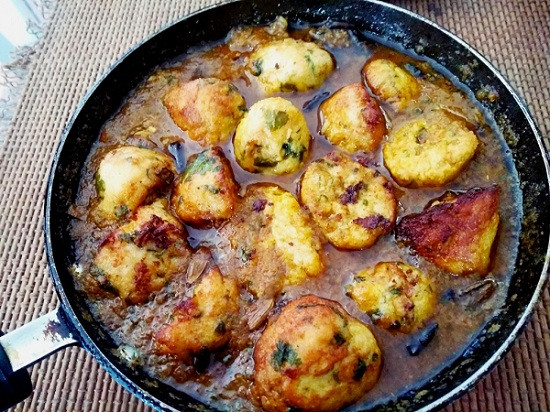
The Tagore family’s kitchen was known for its creativity and love for experimenting with flavours. Among its many unique recipes, Prawns in Curd or Yoghurt is a delightful dish that combines the richness of Bengali seafood with the mild flavours of yoghurt and aromatic spices. Simple yet sophisticated, this recipe reflects the elegant culinary traditions of the Thakurbari household.
Ingredients:
- Tiger
prawns: 8, cleaned and deveined
- Curd/Yoghurt:
2 cups
- Green chillies: 3, chopped
- Whole garam
masala
- Salt: as
per taste
- Sugar: as
per taste
- Fresh
coriander leaves chopped
- Ghee: 2 tablespoons
Method: Marinate the cleaned tiger prawns with curd and chopped green chillies for around 30 minutes so that the flavours blend well.
Heat ghee in a pan and add whole garam masala. Once the spices begin to
crackle and release their aroma, add the marinated prawns along with the
yoghurt mixture.
Season with salt and sugar according to taste. Cover the pan and allow it
to cook for about five minutes. Once the ghee starts separating around the
edges, finish the dish by adding freshly chopped coriander leaves.
Serve this creamy and flavourful prawn preparation with steamed rice or
pulao to enjoy a traditional recipe inspired by the culinary heritage of the
Tagore family.
You might also like!